Education Platform

HealthTech

with 3D Surgical Self-Assessment
Goal:
Create a trusted self-assessment experience that helps surgeons safely check and reinforce their knowledge through theory, tests, and interactive 3D practice.
Problem Statement:
Surgical training doesn’t scale: real practice is limited, and traditional materials can’t train the surgical eye. Surgeons lack a safe way to practice and verify where and how to perform incisions without real patients or exam pressure.
Users:
Practicing surgeons
Surgical residents and future surgeons

Design Process

1 Month
2 Month
3 Month
4 Month
5 Month
6 Month
Stakeholder Briefing, User Stories, Competitive analysis
Object-Oriented UX (OOUX)
Information Architecture.
User Flow
Wireframes
Usability Testing & Itarations
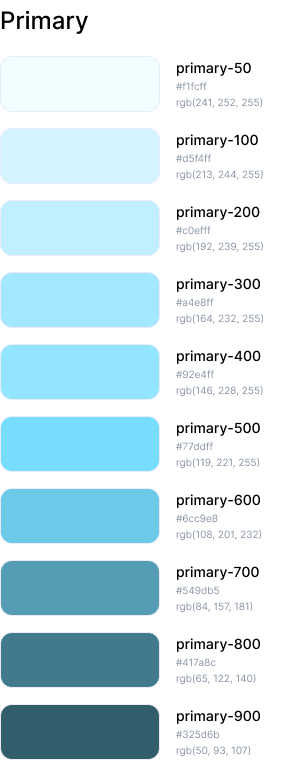
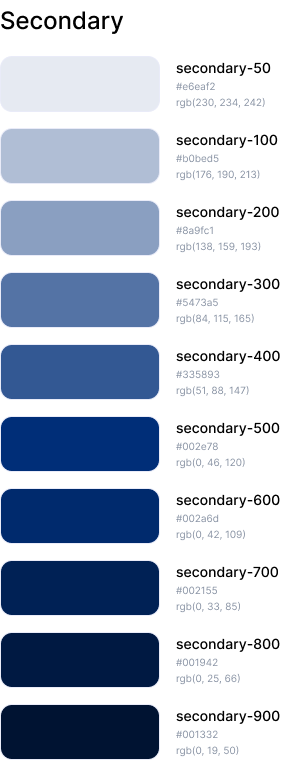
Visual & Design System

Stakeholder Briefing

Business Context
The platform provides government-approved surgical education in Germany.
A core part of the learning experience is self-assessment, allowing surgeons and future surgeons to independently check their level of understanding without formal grading or certification pressure.

Tests are designed as knowledge validation tools, helping users identify gaps, reinforce learning, and prepare for real clinical situations. They combine theoretical questions with interactive 3D-based tasks, where users can practice surgical decision-making in a safe environment.

All courses and tests are officially approved and curated. Users cannot create or modify content, ensuring medical accuracy and regulatory compliance.
Business Goals
  • Help users identify knowledge gaps safely and privately
  • Increase learning effectiveness through immediate practice and feedback
  • Encourage repeated learning without fear of failure
  • Maintain trust through regulation-compliant educational content
Key Stakeholders
  • Medical Education Provider (Business Owner)
  • Regulatory & Accreditation Bodies
  • Senior Surgeons (Approved Content & Test Authors)
  • Practicing Surgeons and Surgical Residents (Primary Users)
  • Technical Team (Developers, 3D Specialists)
UX & Product Challenges
  • Designing tests that feel supportive, not exam-like
  • Encouraging honest self-evaluation without external pressure
  • Presenting complex questions clearly and unambiguously
  • Integrating 3D interactions into self-assessment flows
My UX Focus
  • Simplifying access to complex, expert-level educational content
  • Creating intuitive interaction patterns for 3D surgical practice
  • Making the interface easy to understand while keeping all medical content correct

User Stories

As a surgeon,
I want to use tests to check my understanding of a topic,
so that I can identify what I need to review or practice further.
As a surgeon,
I want tests to feel low-pressure and private,
so that I can answer honestly without fear of being evaluated.
As a surgeon,
I want to complete practical tasks on 3D anatomical models during tests,
so that I can validate my procedural understanding, not just theory.
As a surgeon,
I want to repeat tests and 3D tasks multiple times,
so that I can track my own improvement over time.
As an education provider,
I want self-assessment to support learning without formal grading,
so that users focus on improvement rather than performance.


Key pain points:

Surgeons face growing complexity and specialization in modern procedures.
Training surgical education is limited by operating room time.
Training on body donors is resource-intensive and cannot scale to a high number of course participants or topics.

Texts, images, and videos are neither suitable replacements nor optimal preparation for wet-lab exercises, as they do not train the “surgical eye”.
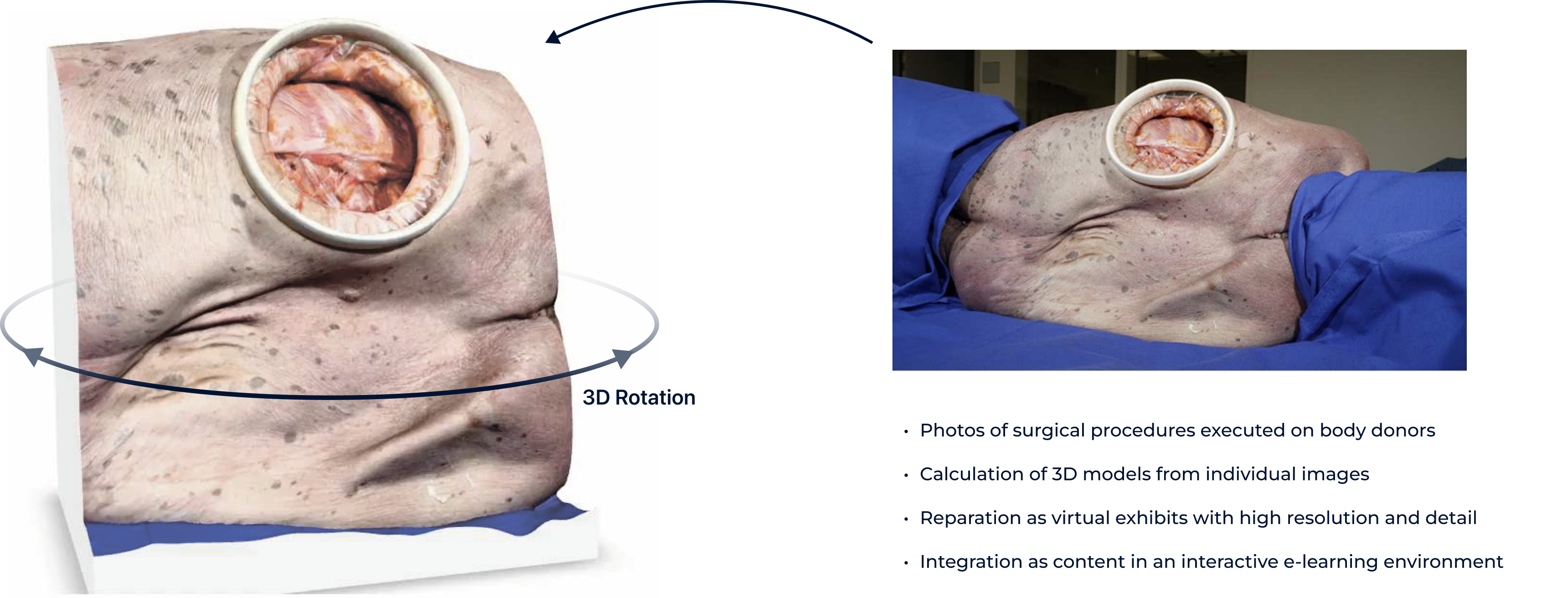
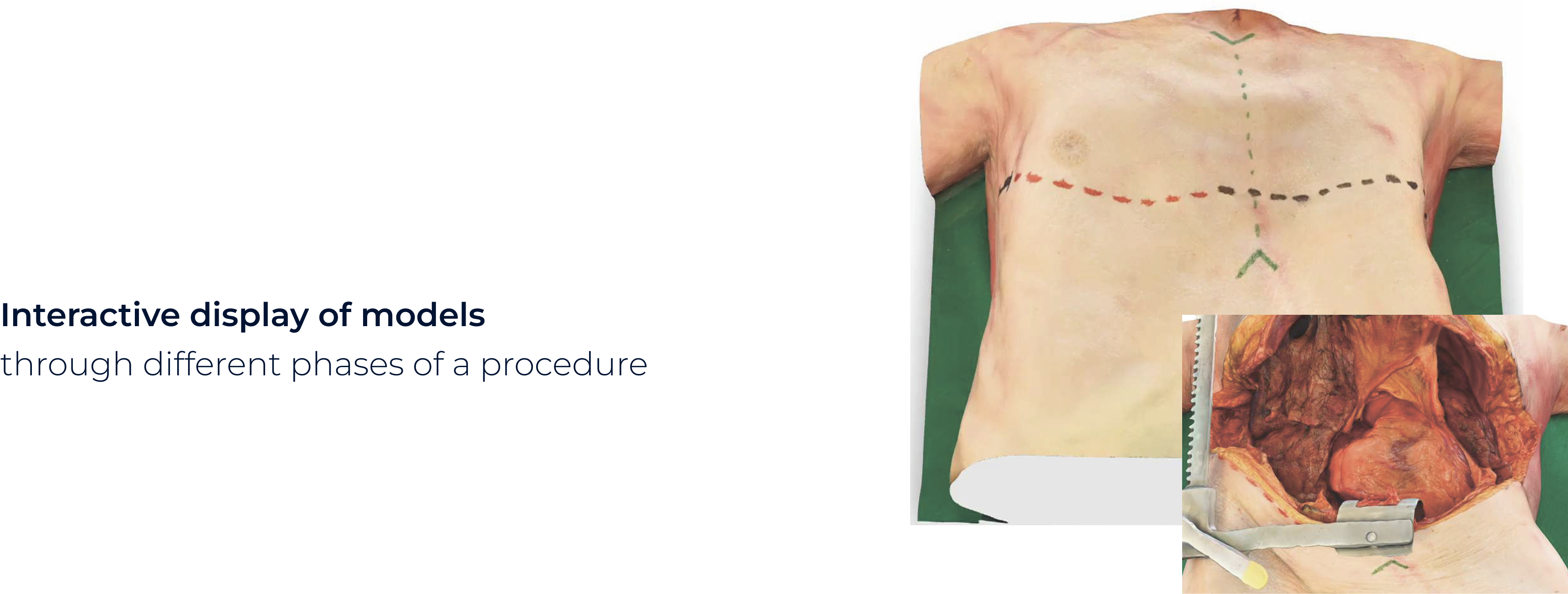
Surgixplore offers interactive 3D Models and e-learning for innovative training.

Virtual 3D Models

Warning: Sensitive content.
Click here to remove the blur and view the images.

Wireframes

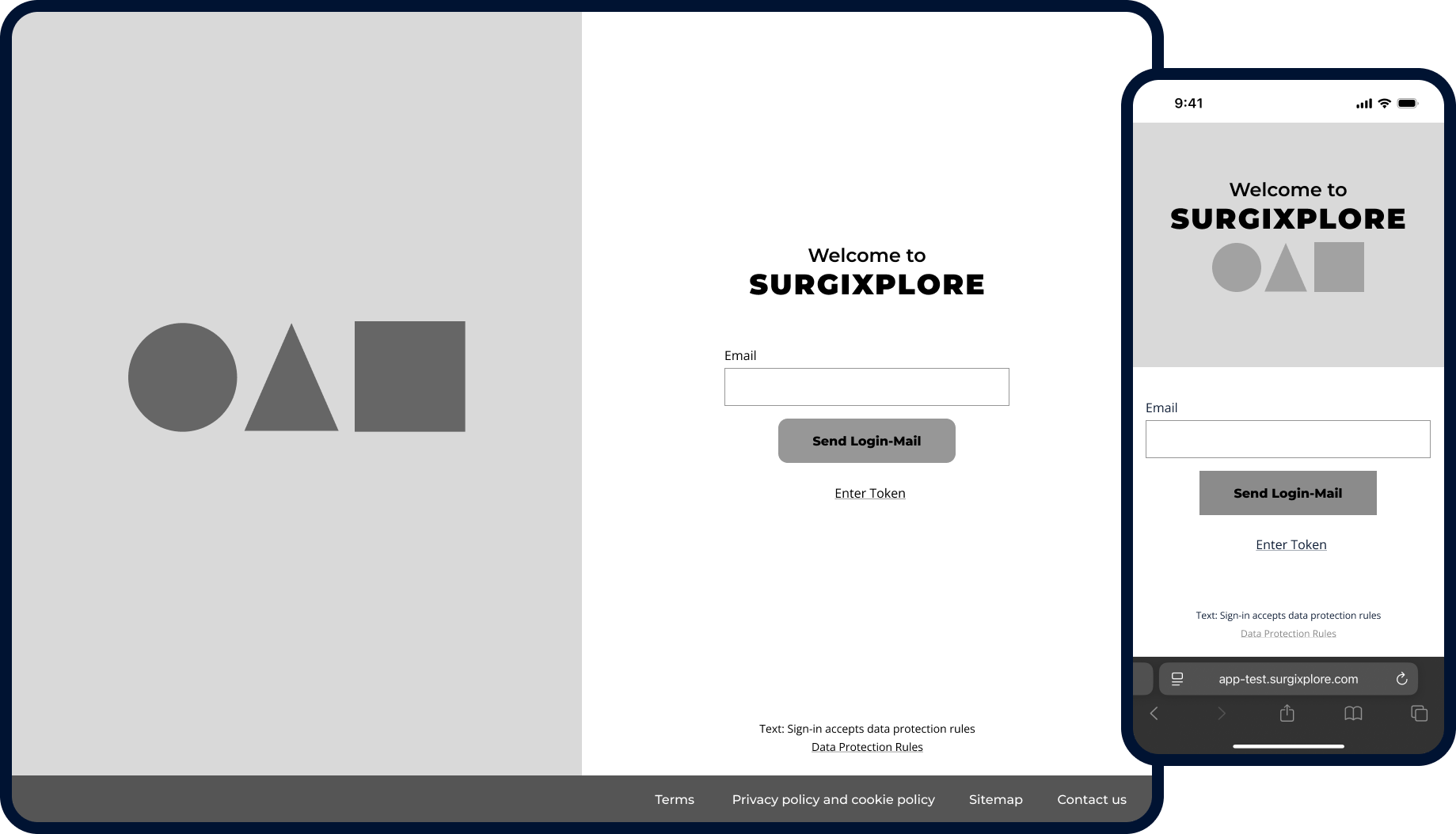
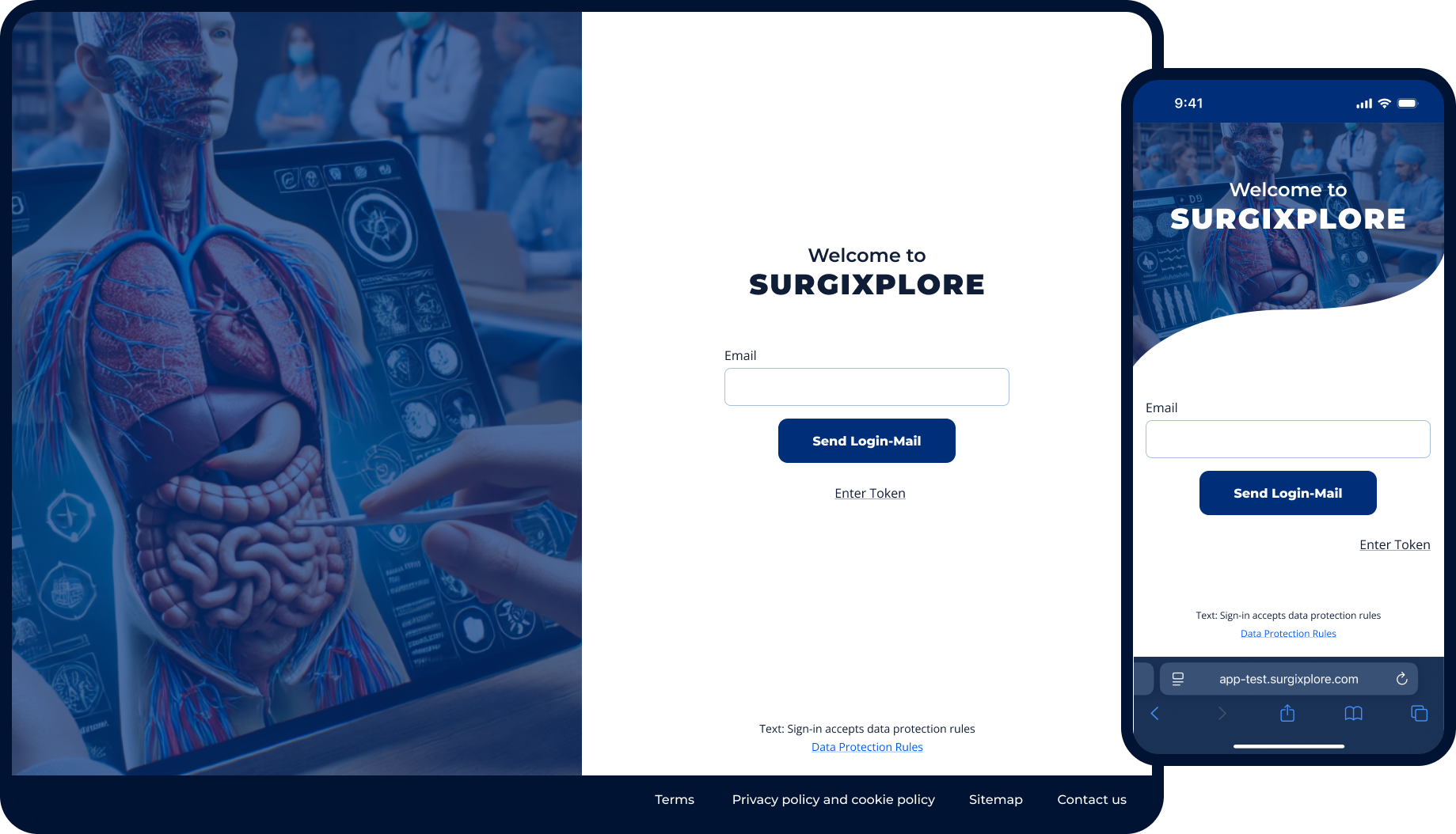
Login & Registration
Allow users to securely sign up and log in using email verification, ensuring a trusted and compliant access to the platform.
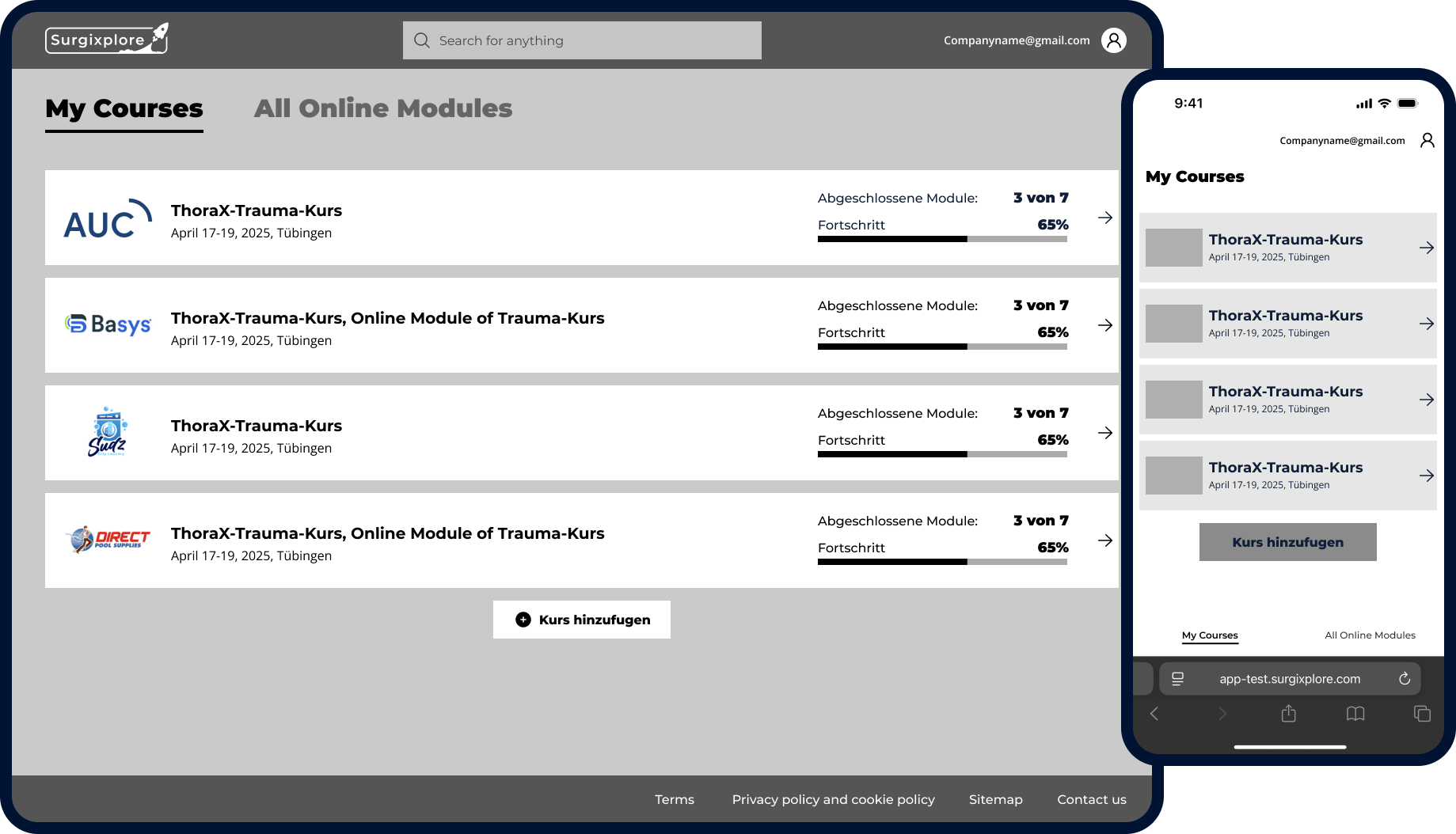
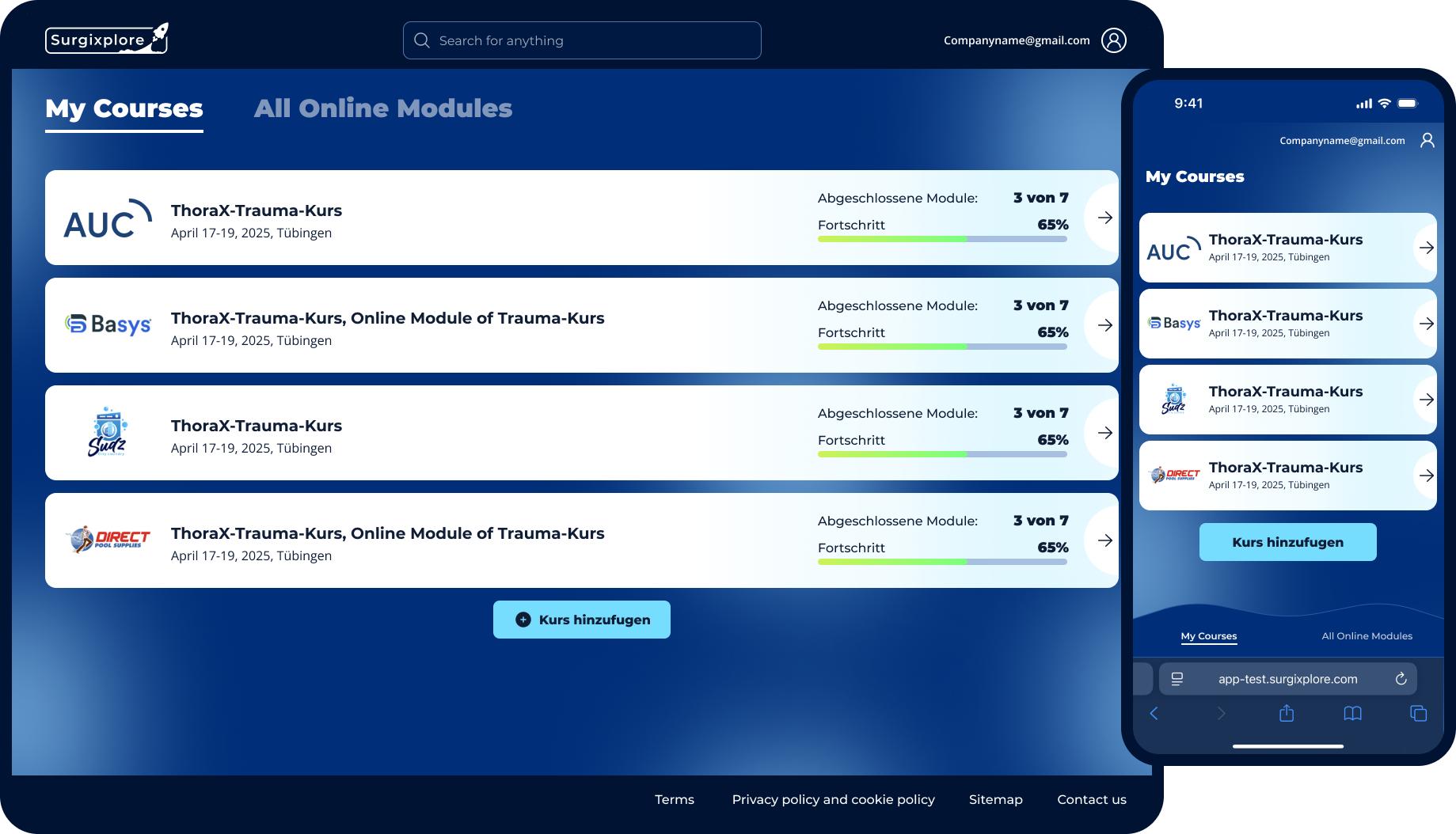
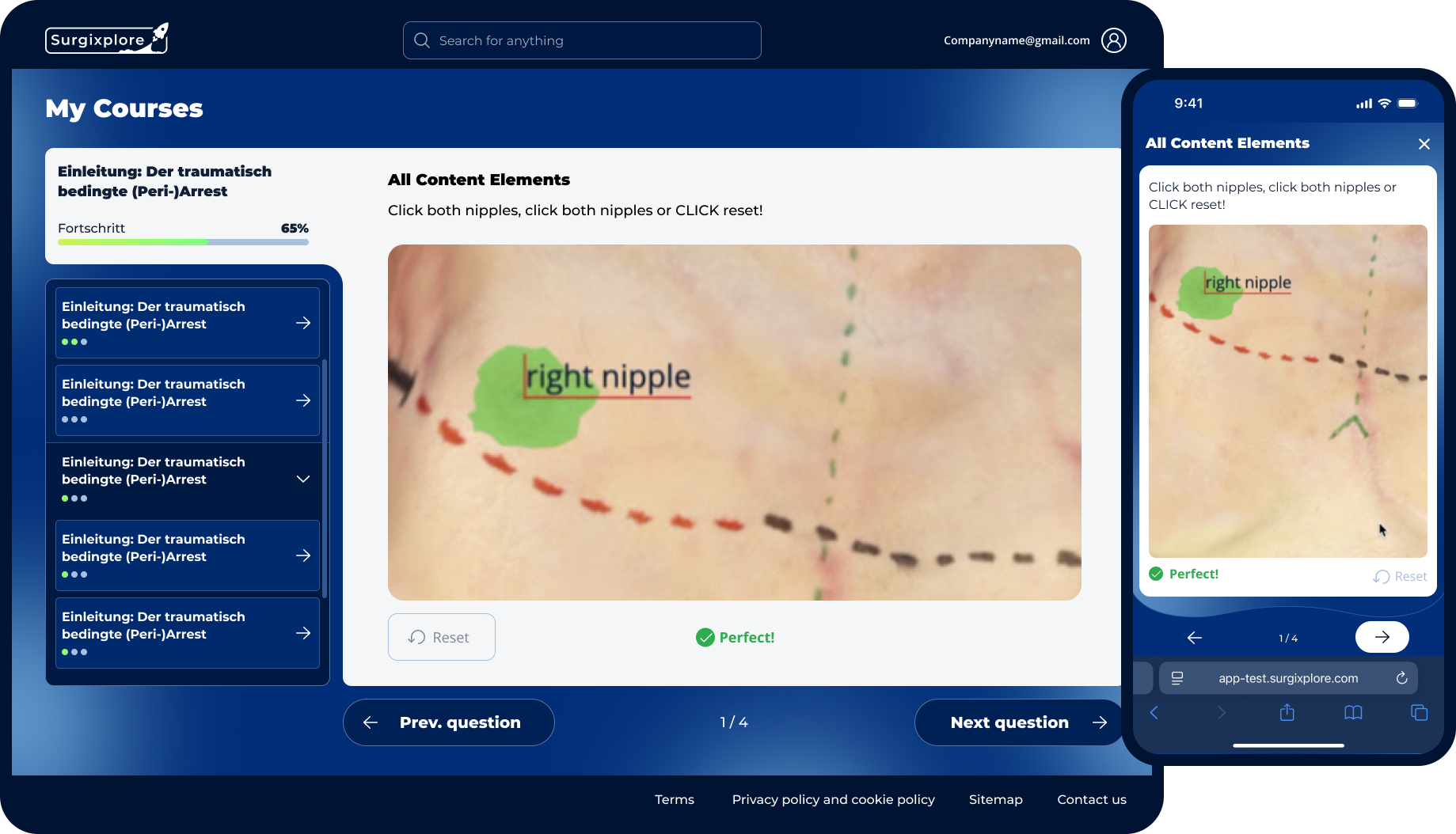
My Courses
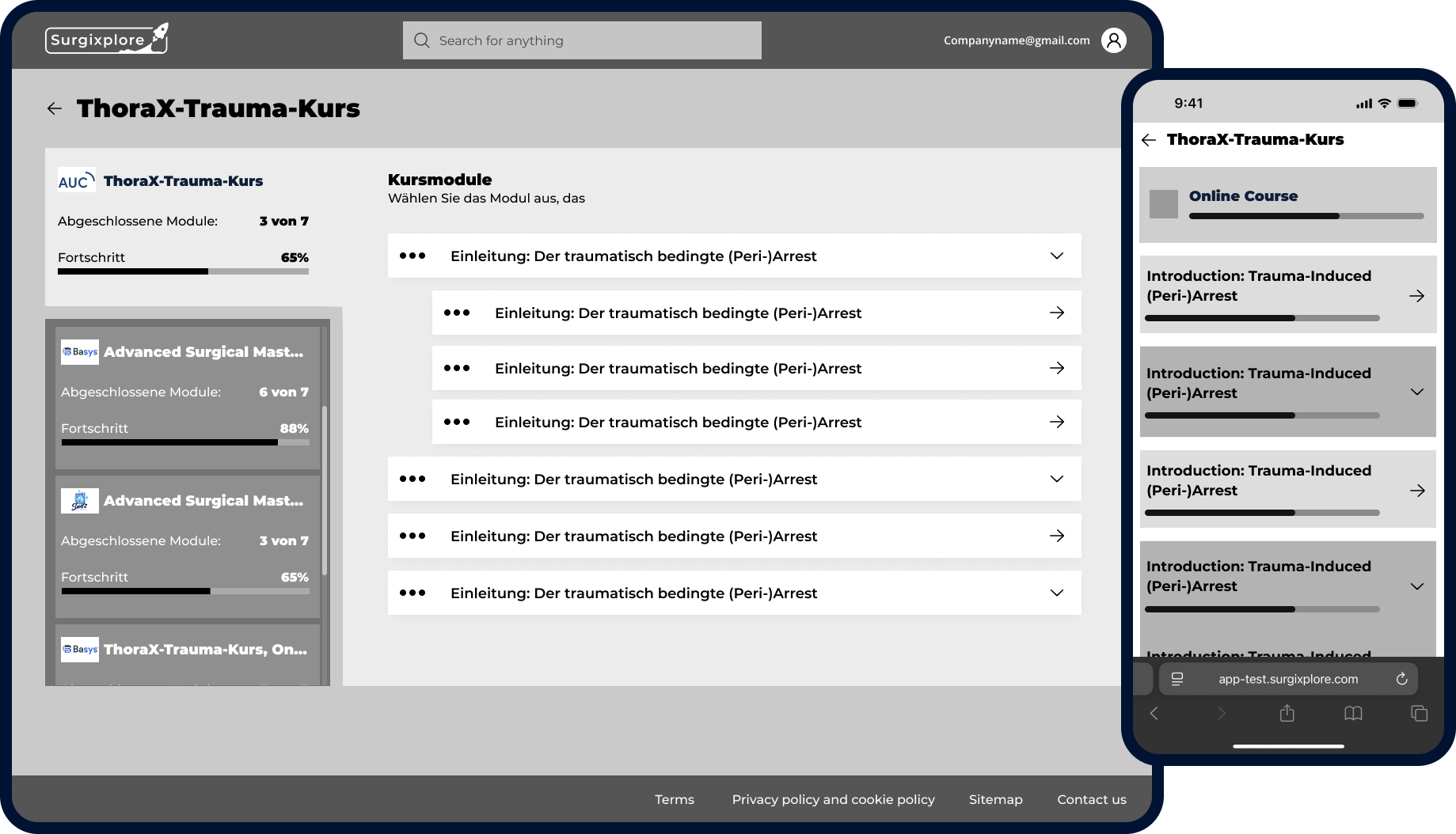
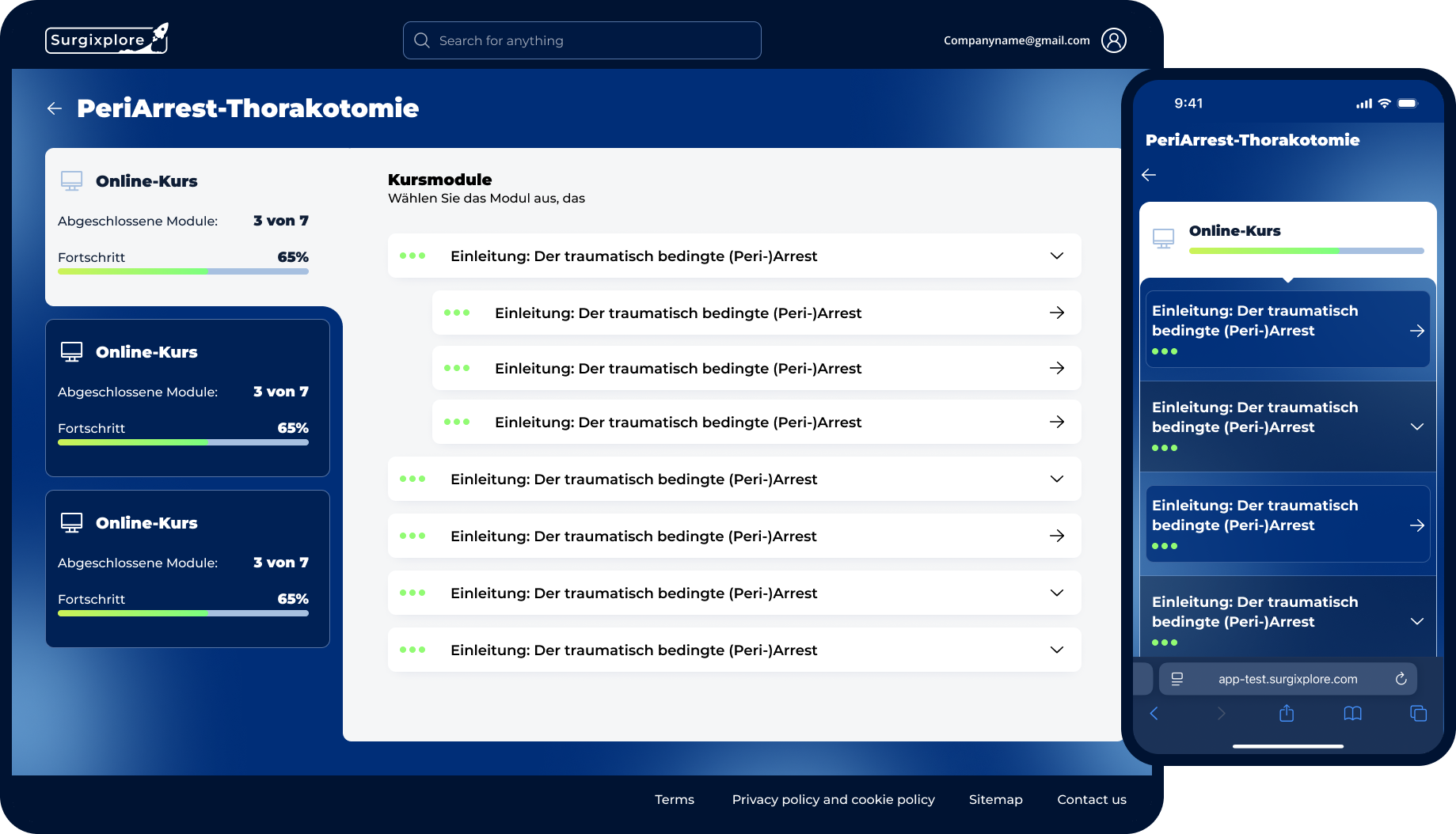
Give users an overview of all available courses and their progress, and provide access to theory, self-assessment, and hands-on 3D practice within each course.
Focus: progress visibility, structured learning, immediate practice and feedback.
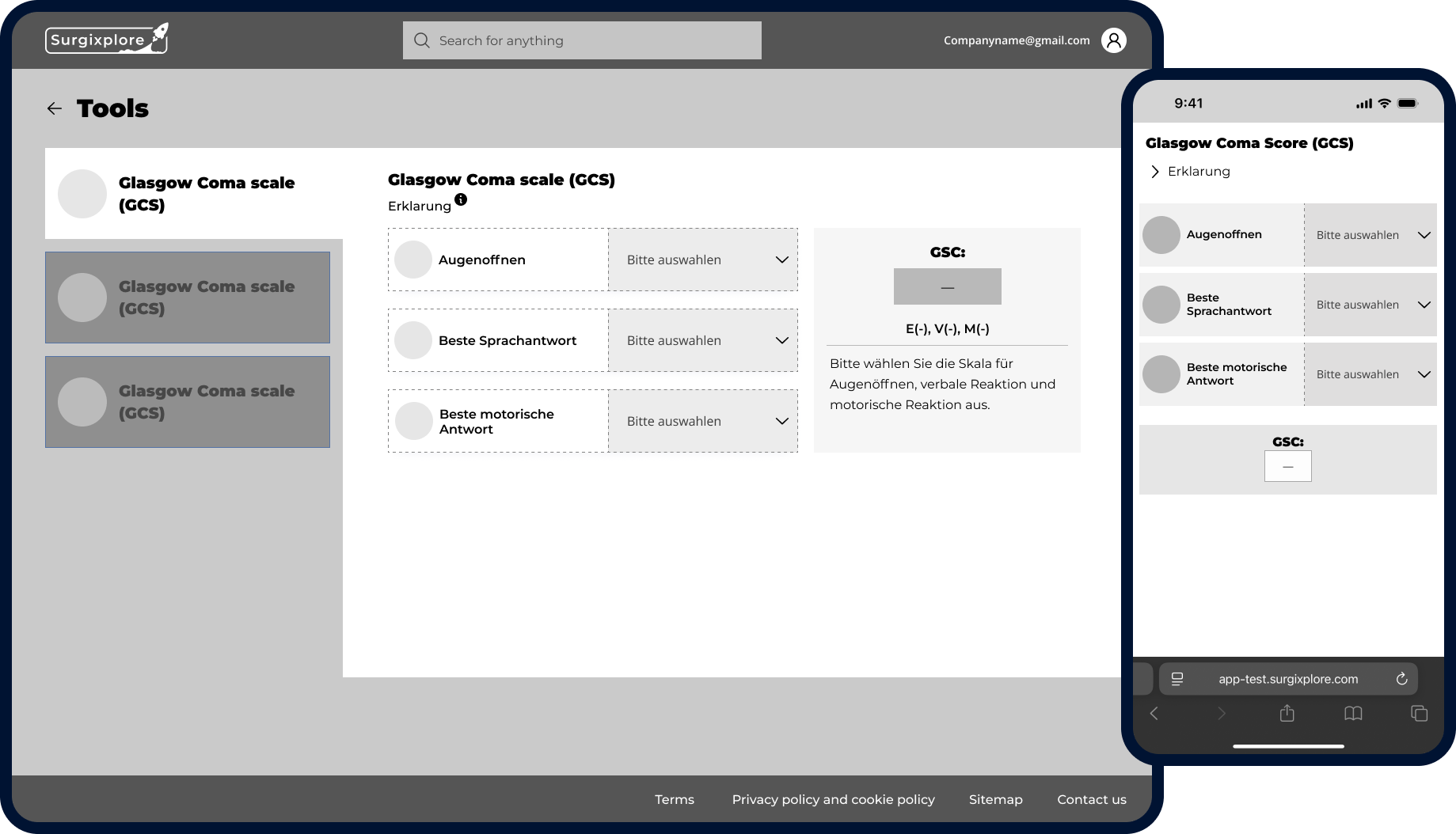
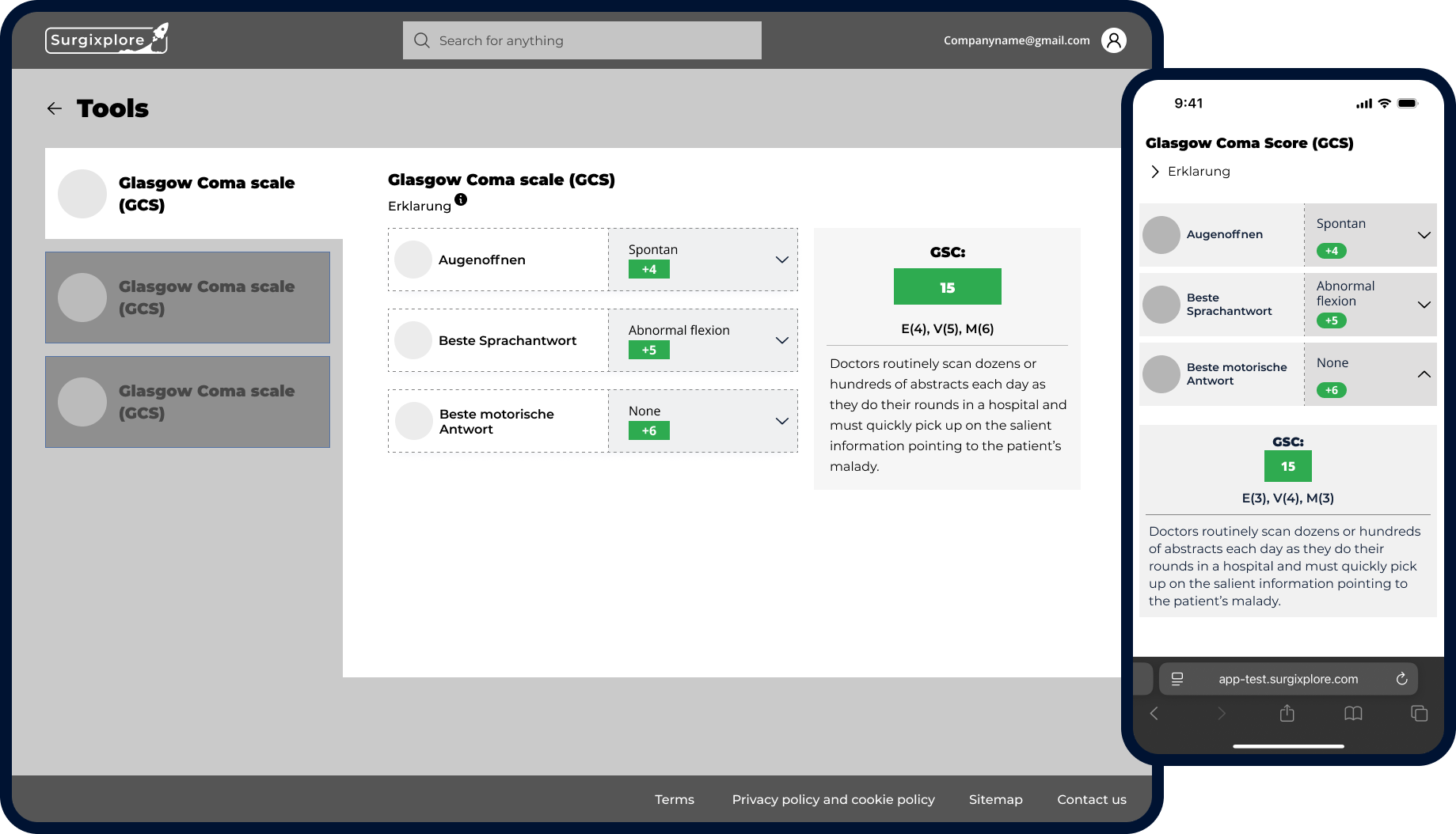
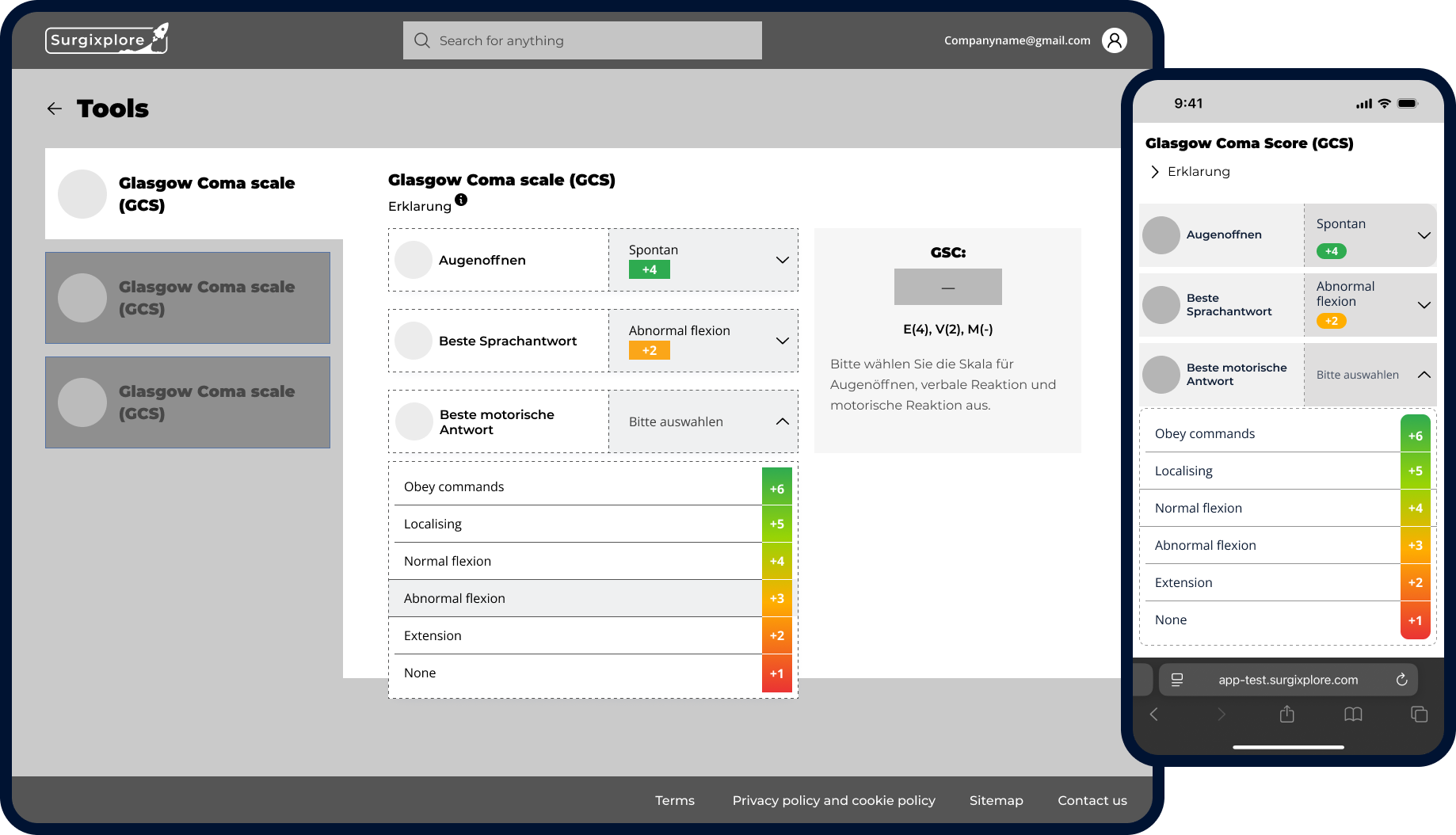
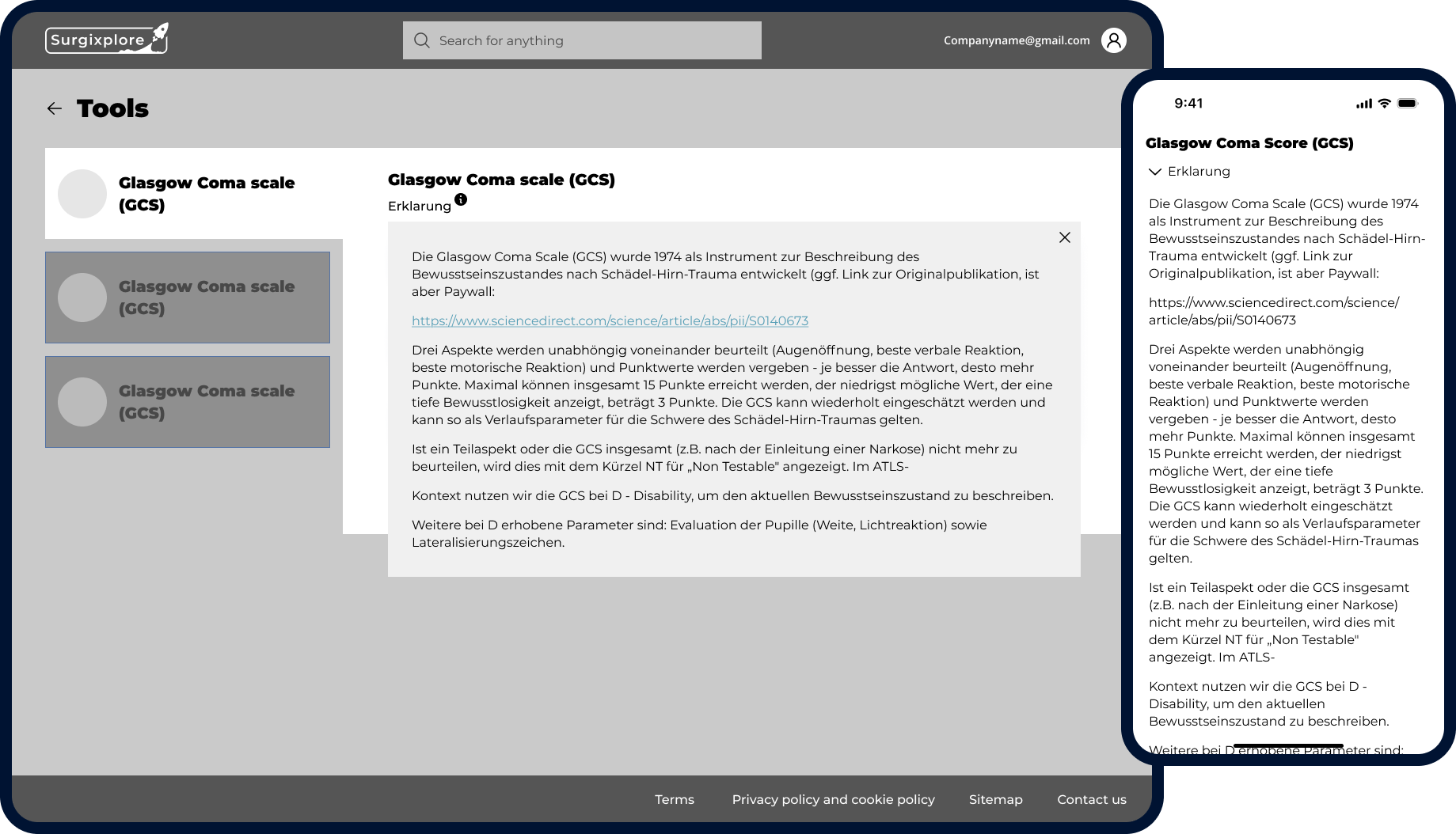
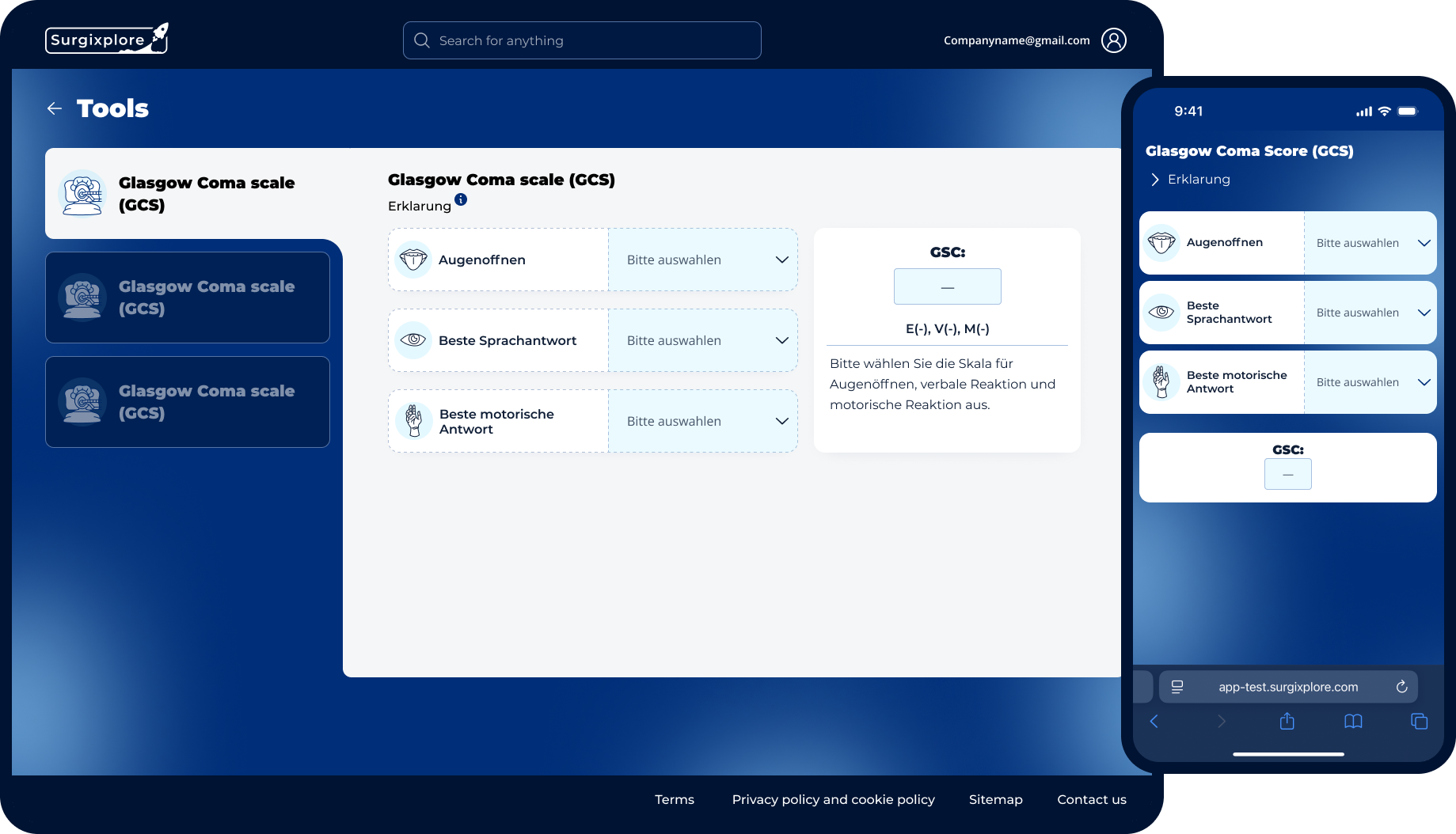
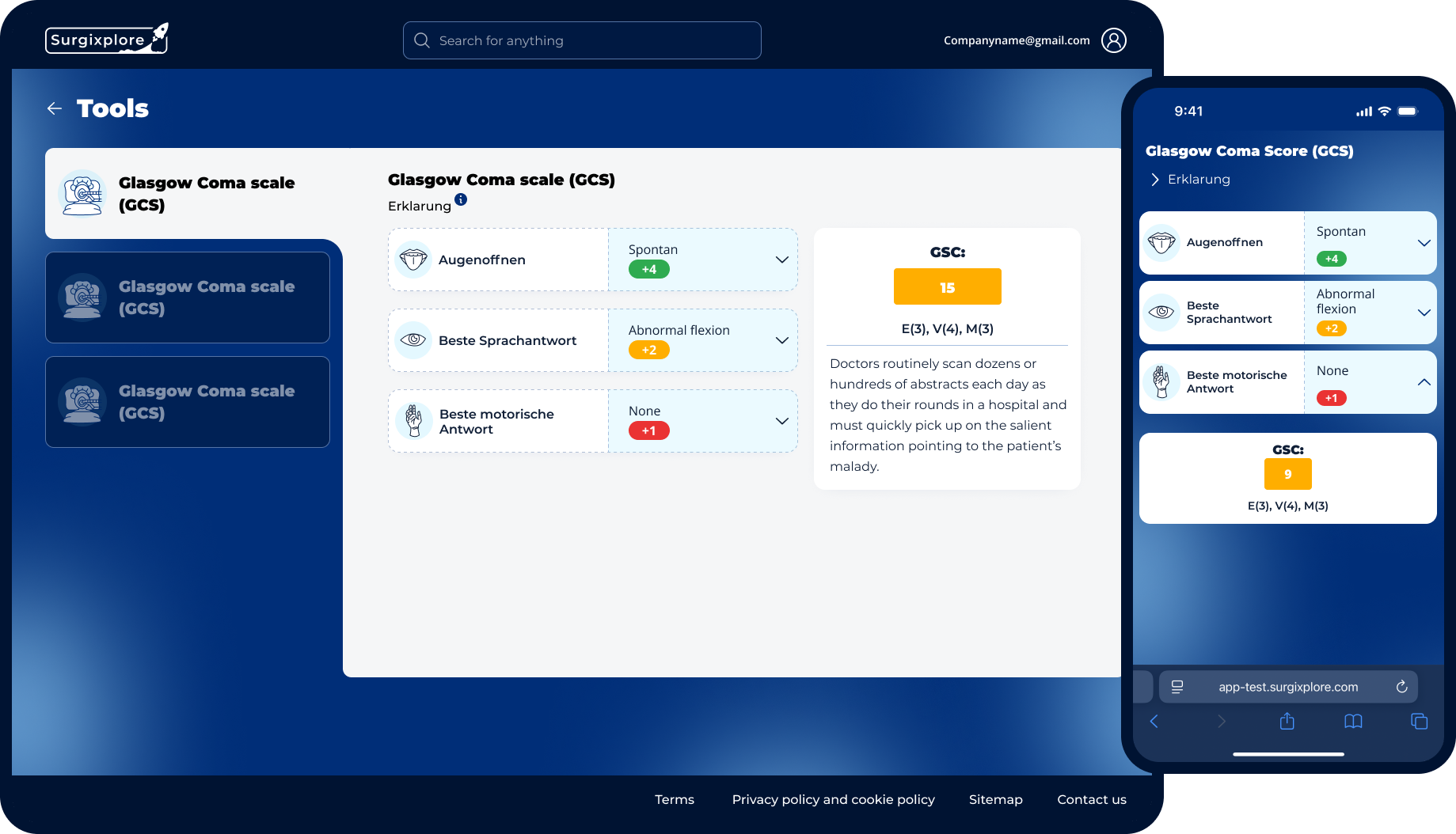
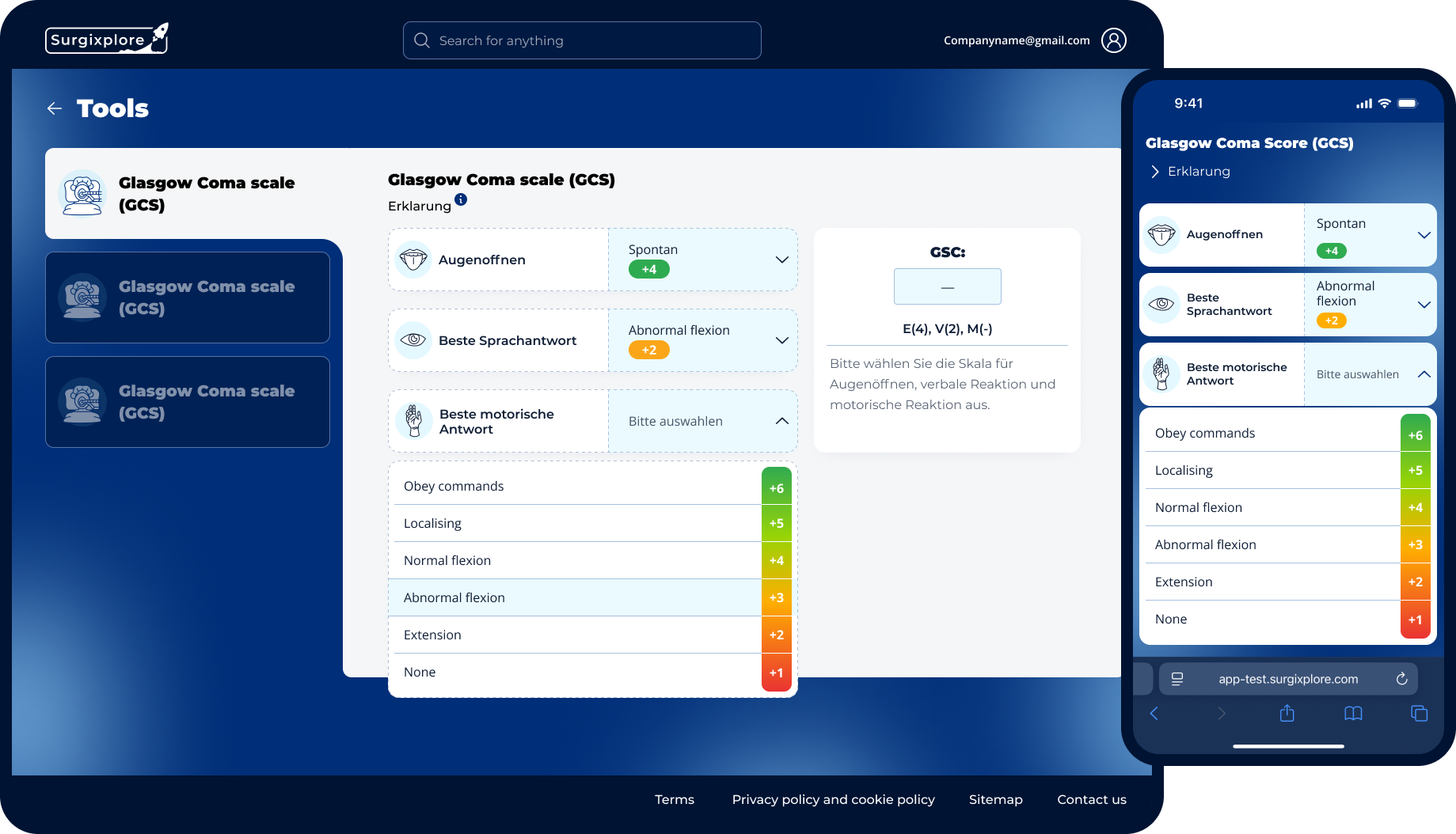
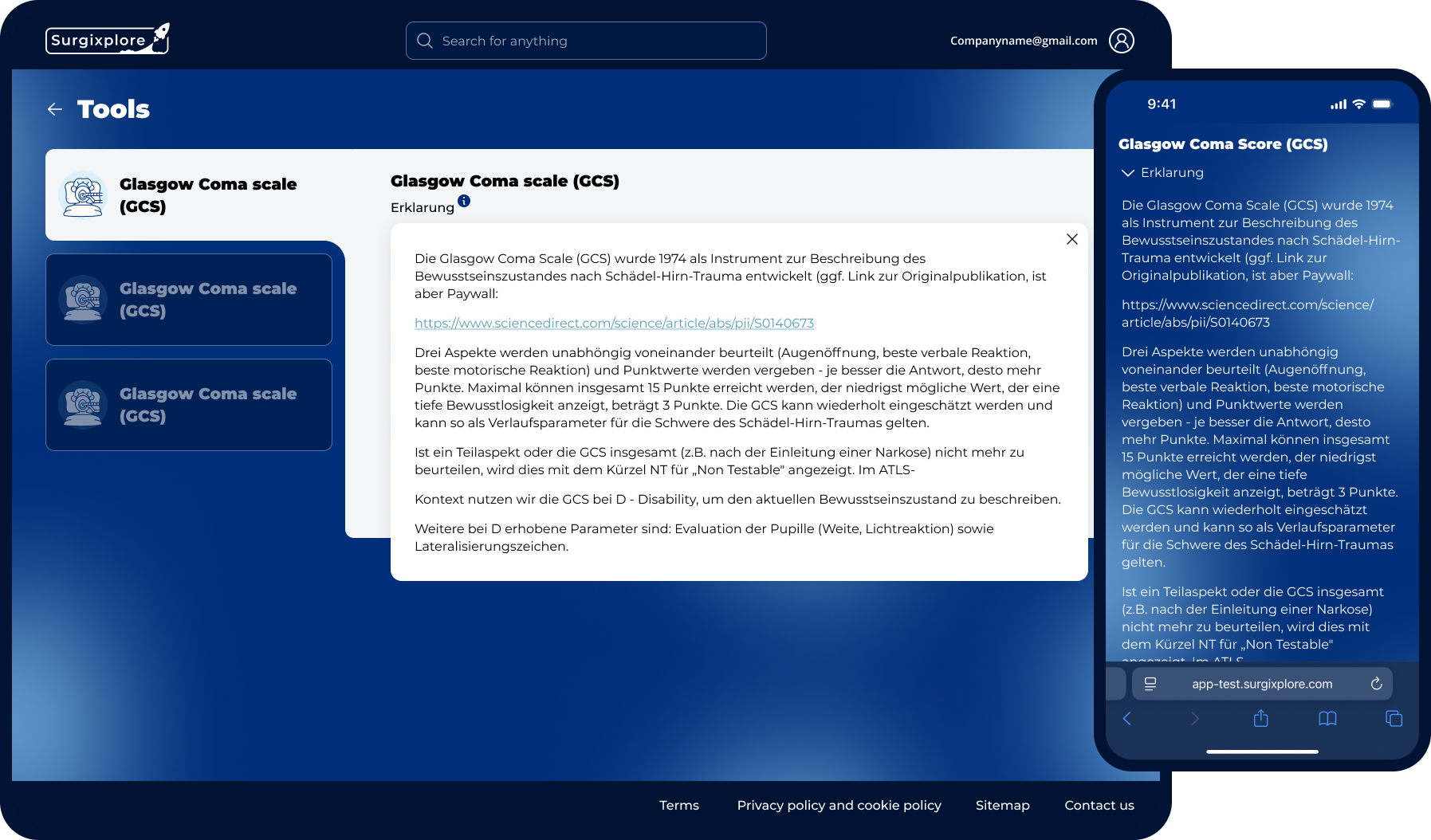
Medical Tools
Provide quick access to trusted medical tools that support learning and clinical decision-making. At launch, the platform includes a Glasgow Coma Score (GCS) calculator, with additional tools planned for future releases.Give users an overview of all available courses and their progress, and provide access to theory, self-assessment, and hands-on 3D practice within each course.
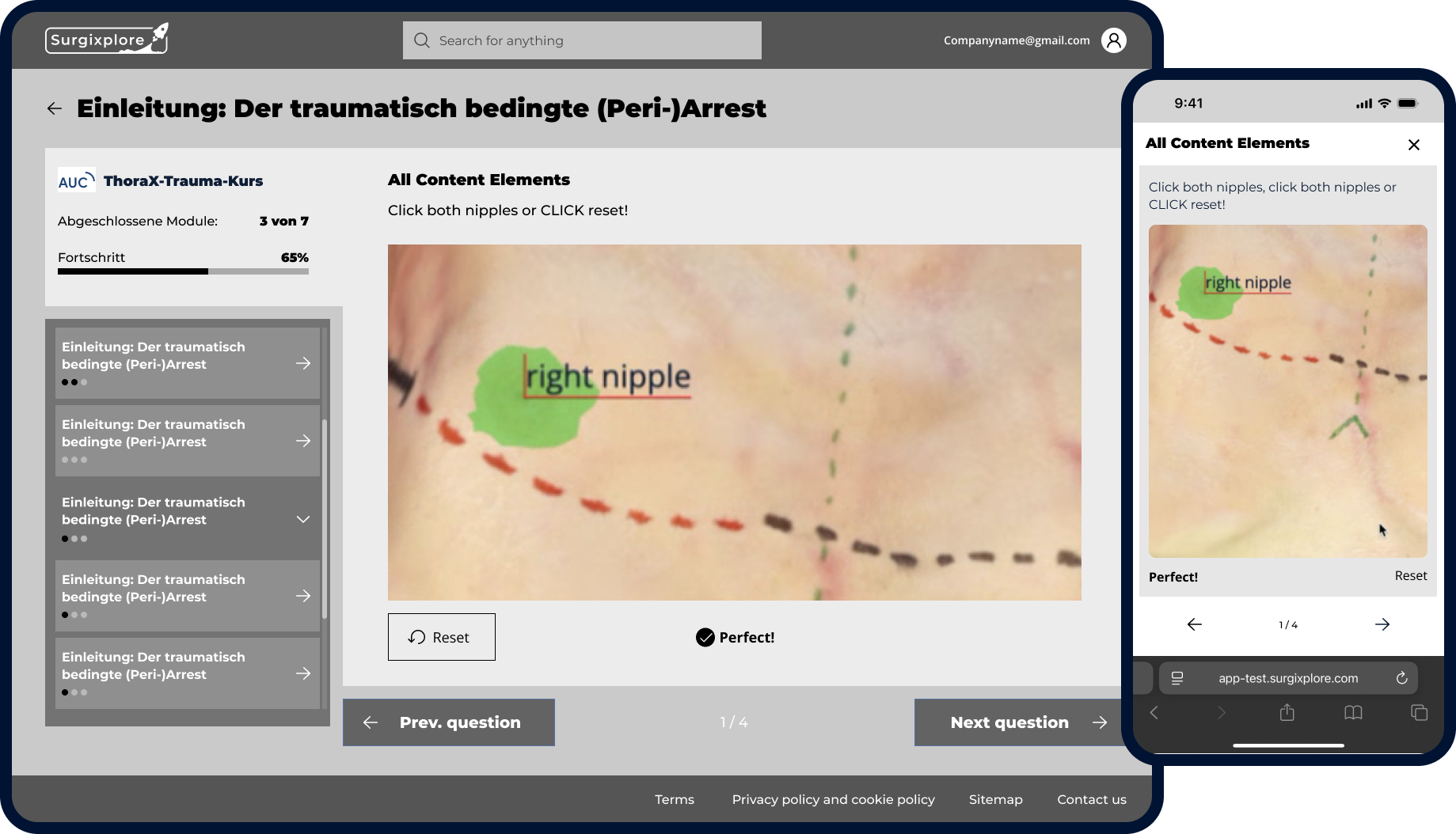
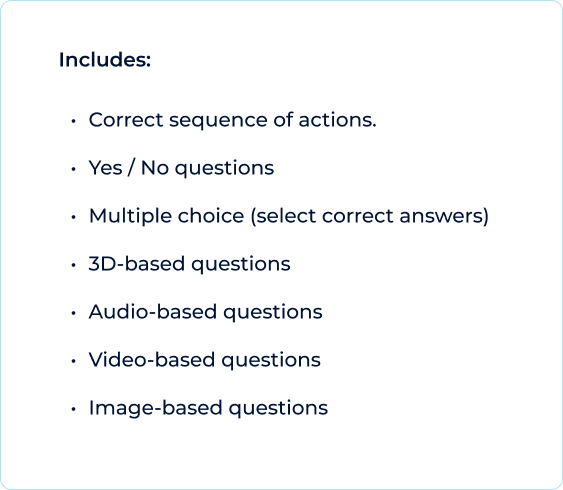
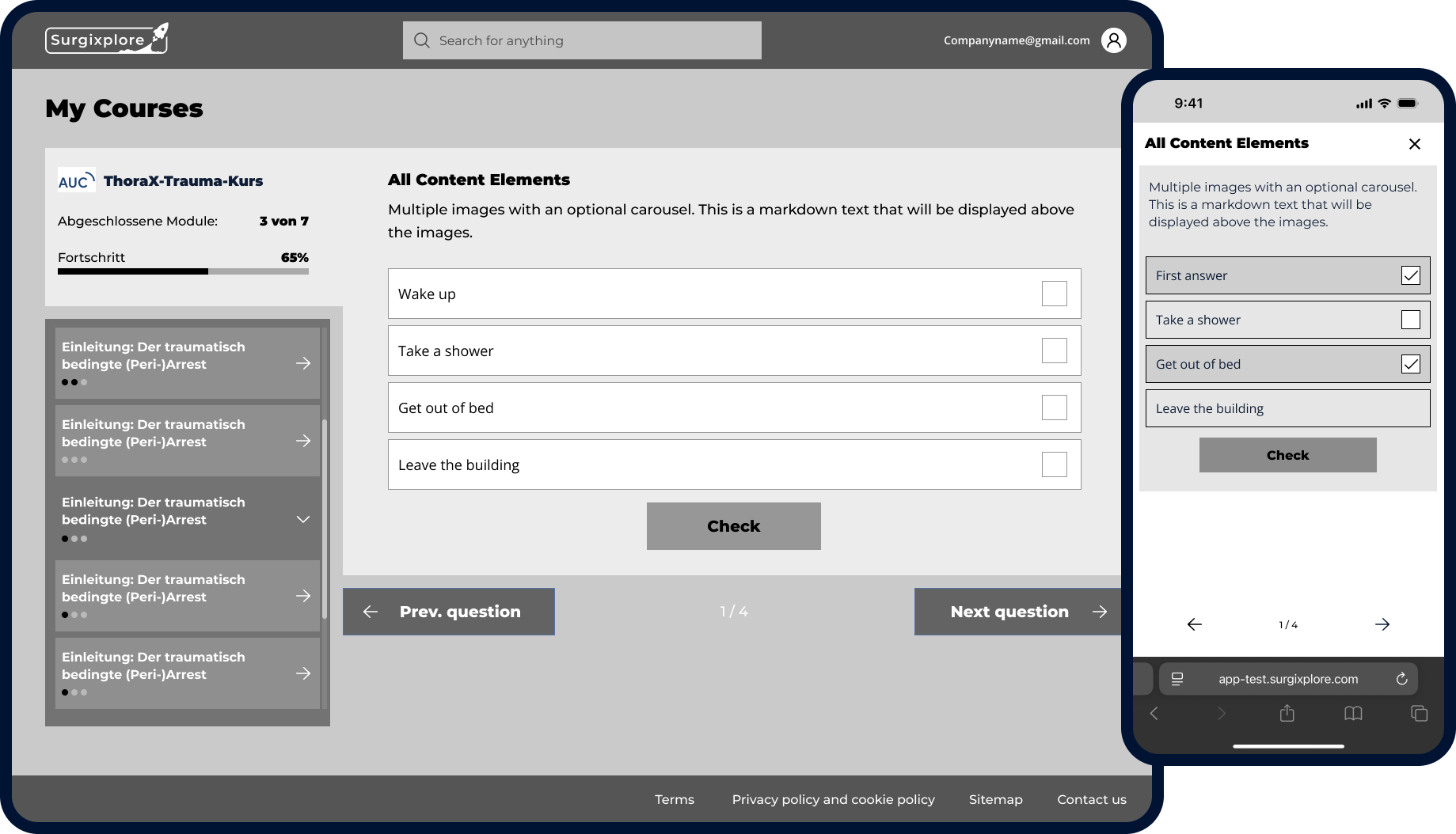
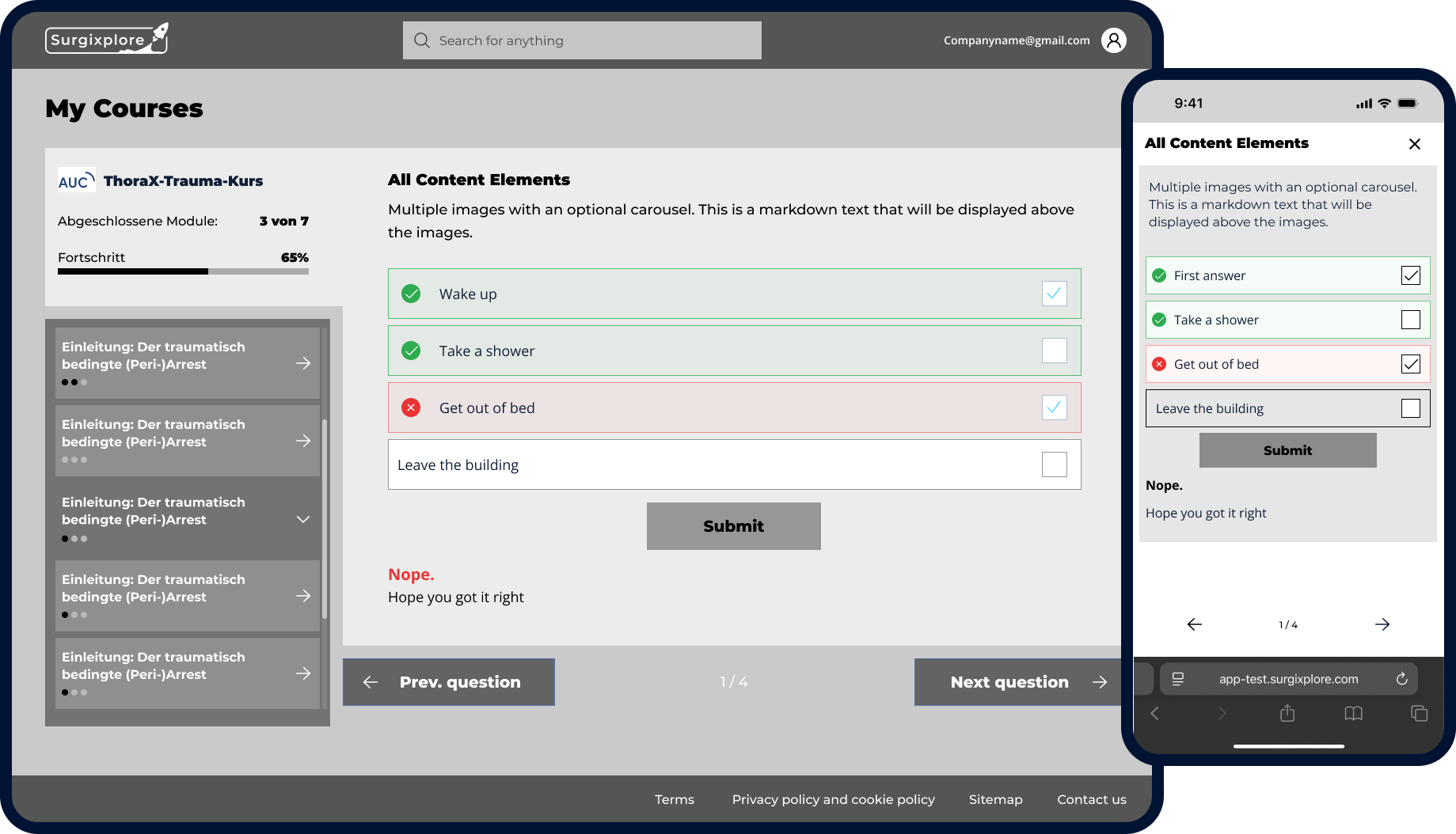
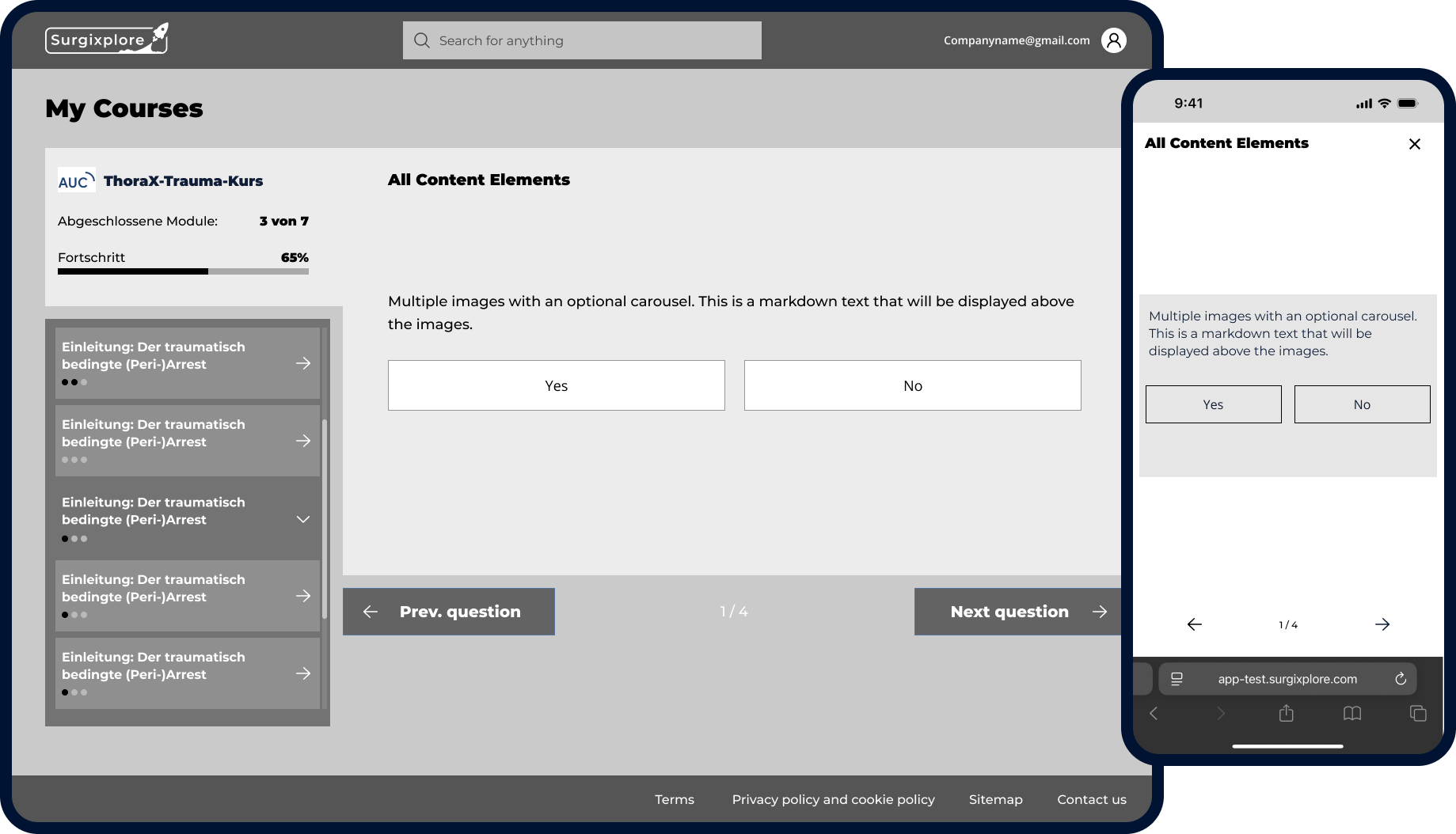
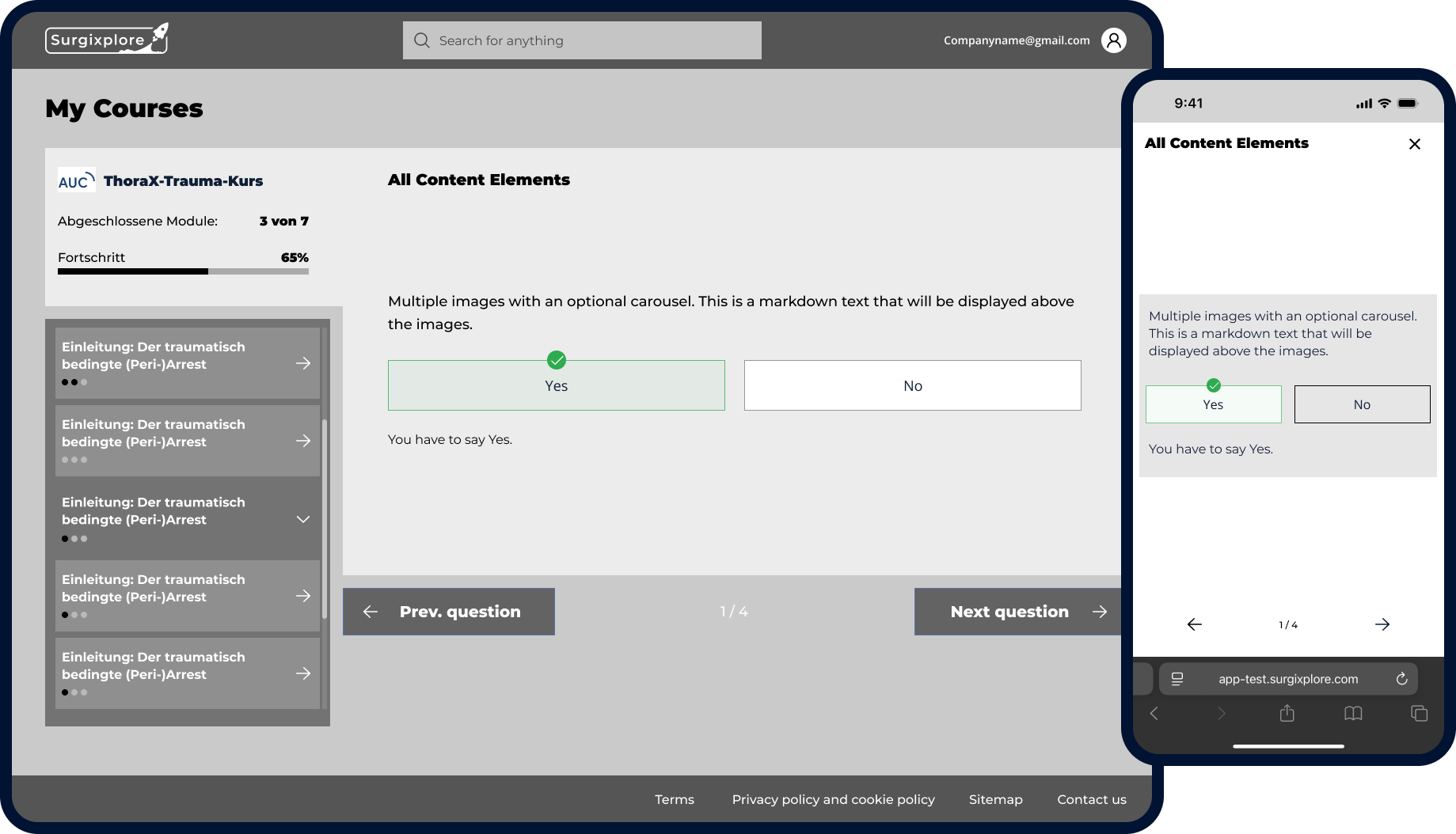
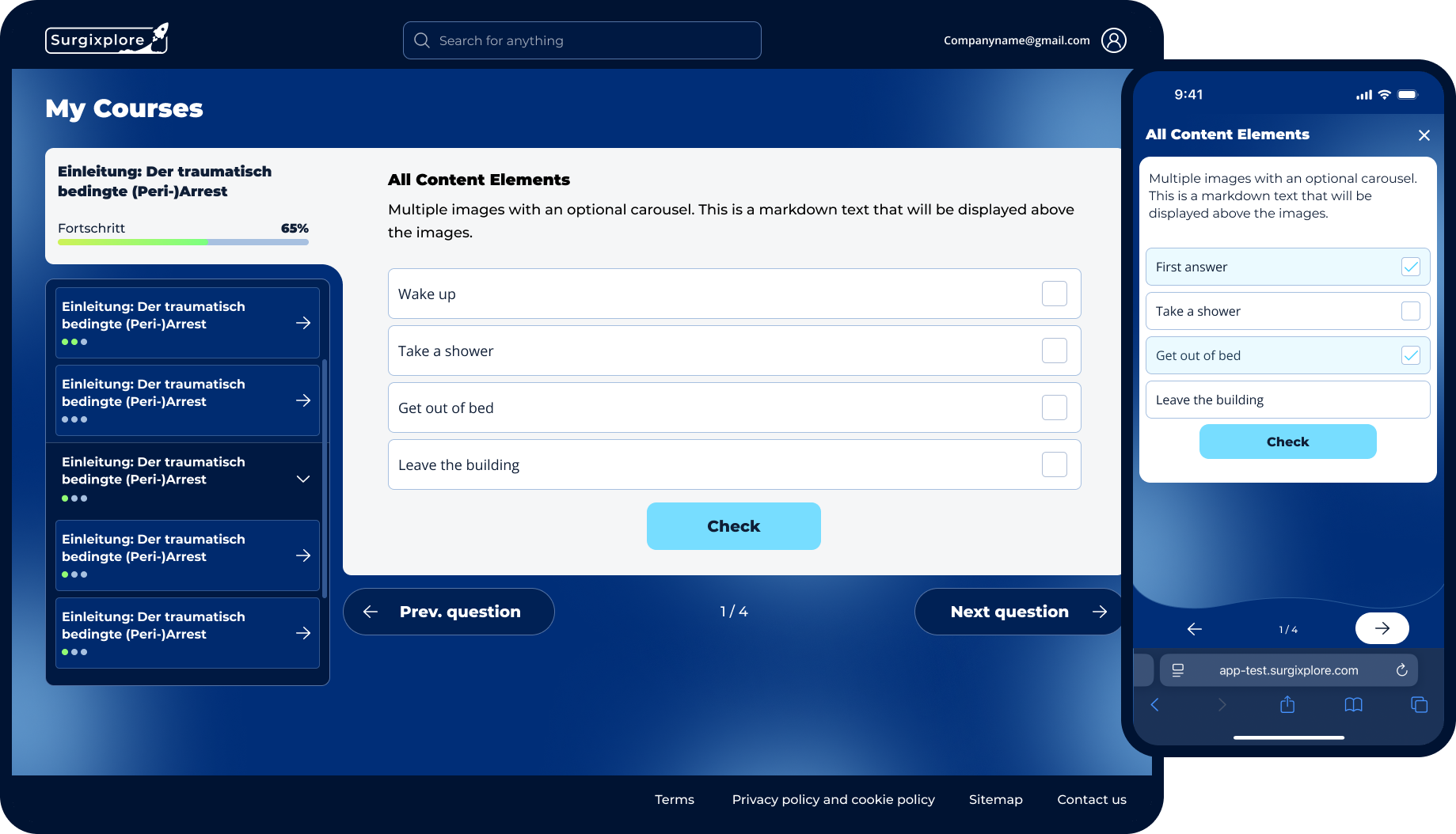
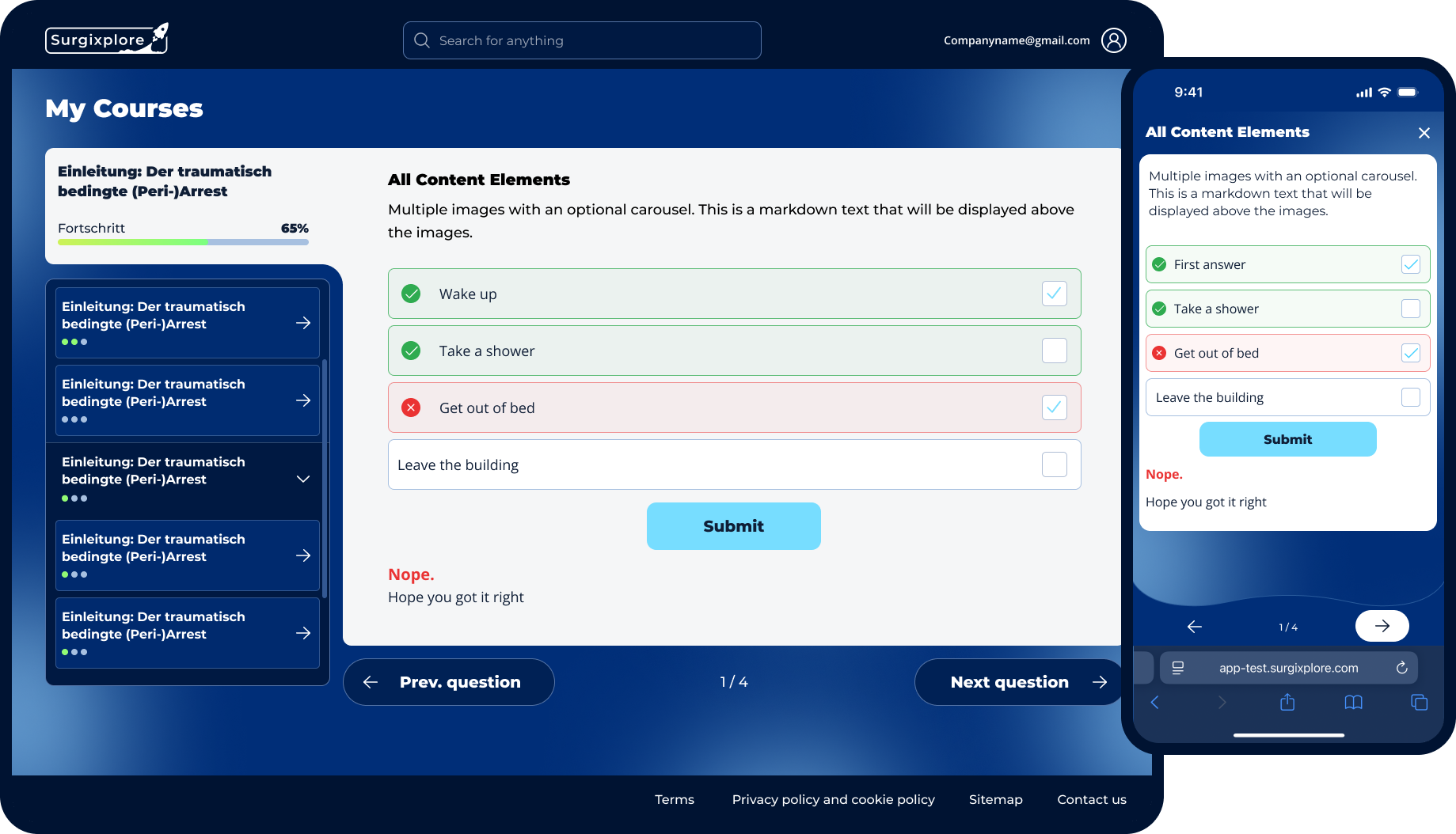
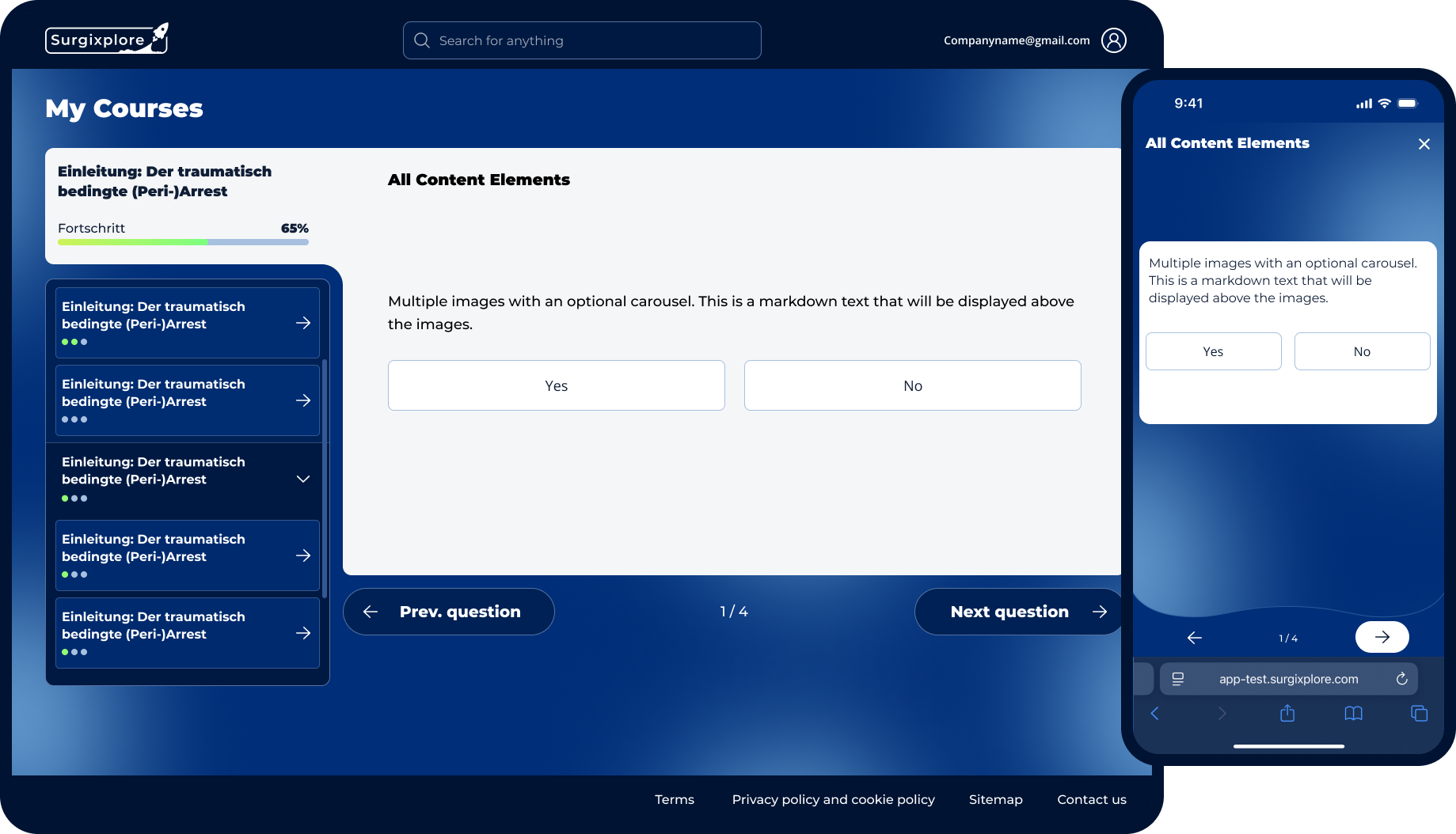
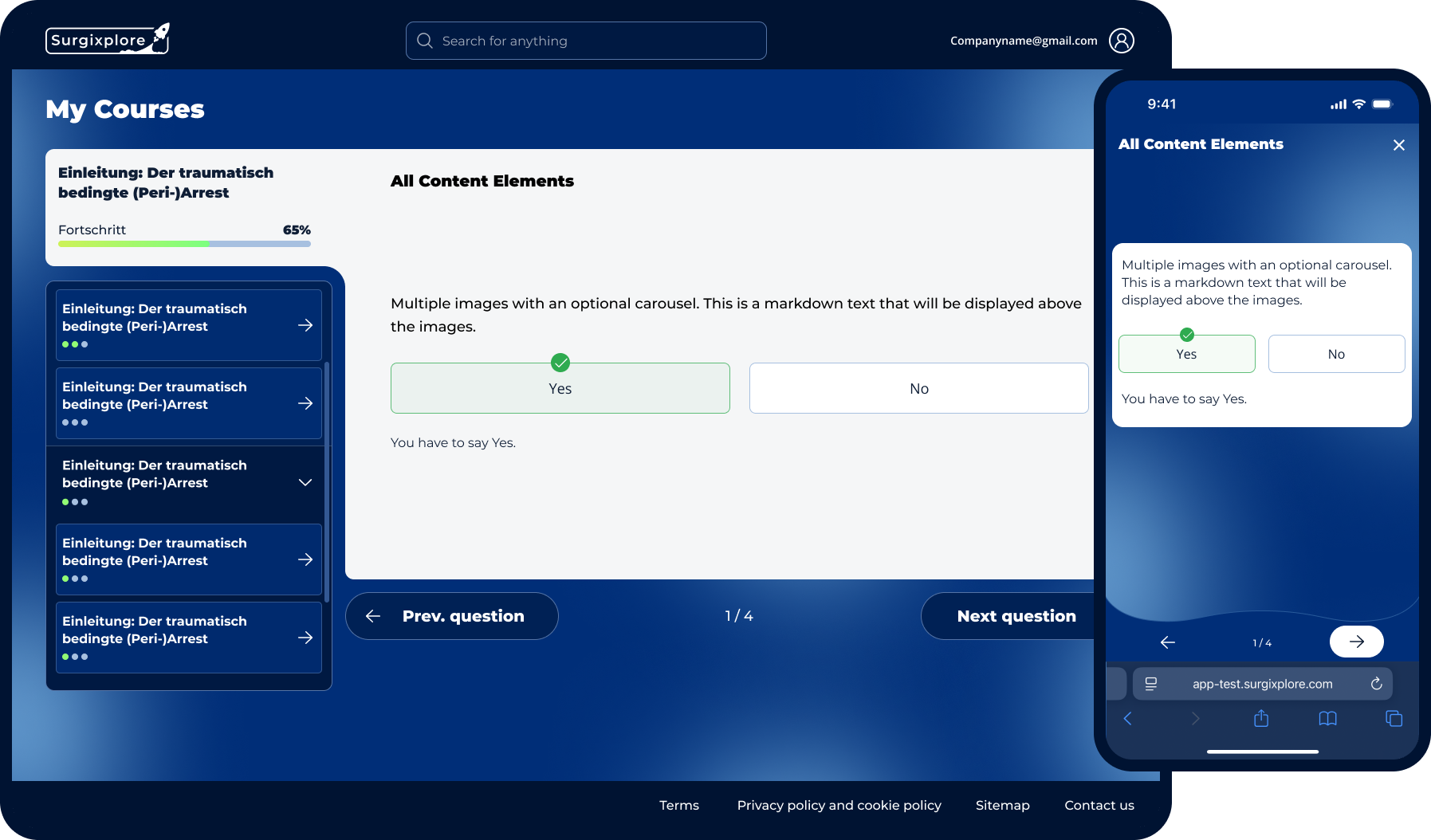
Test Question Types
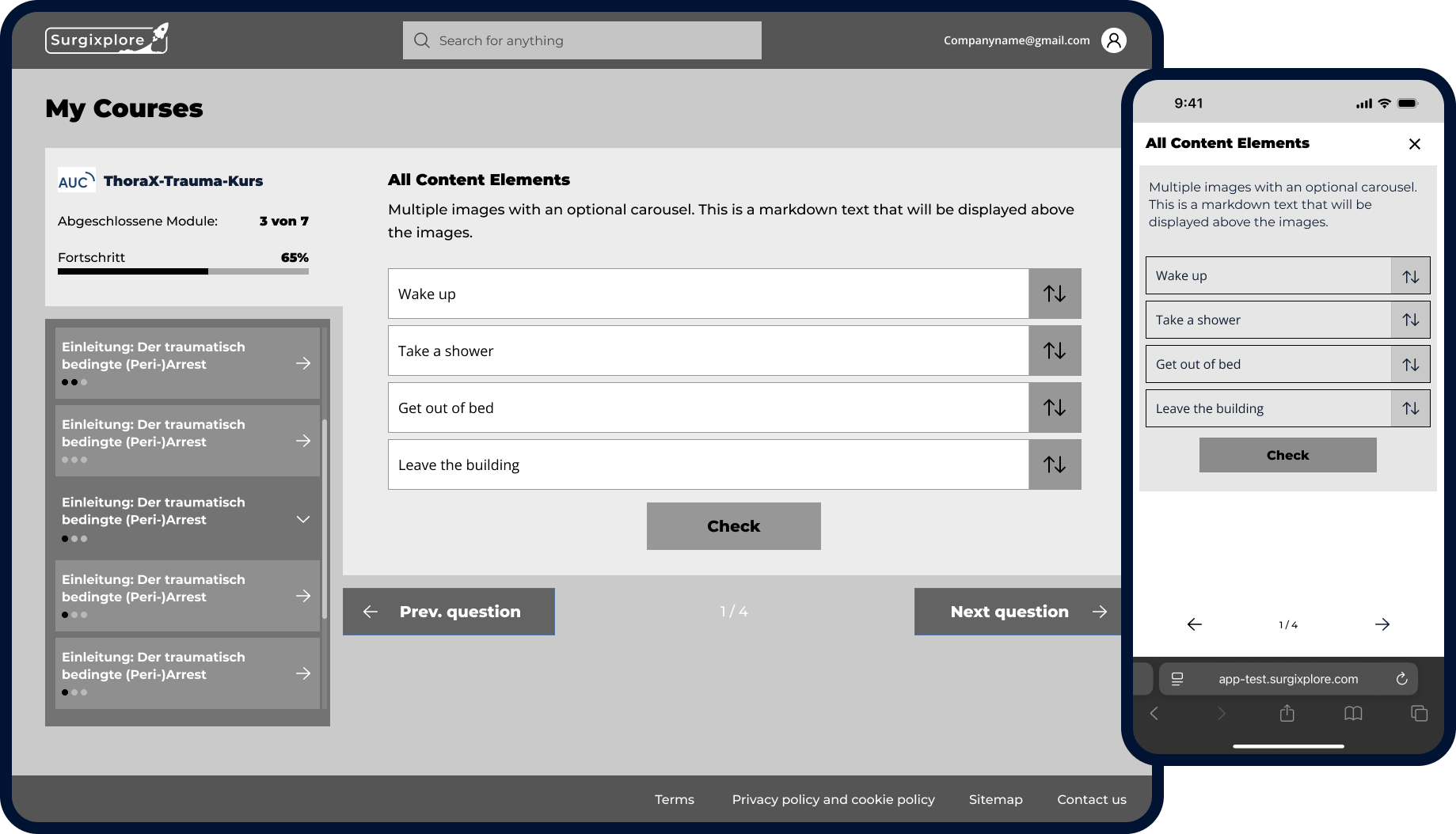
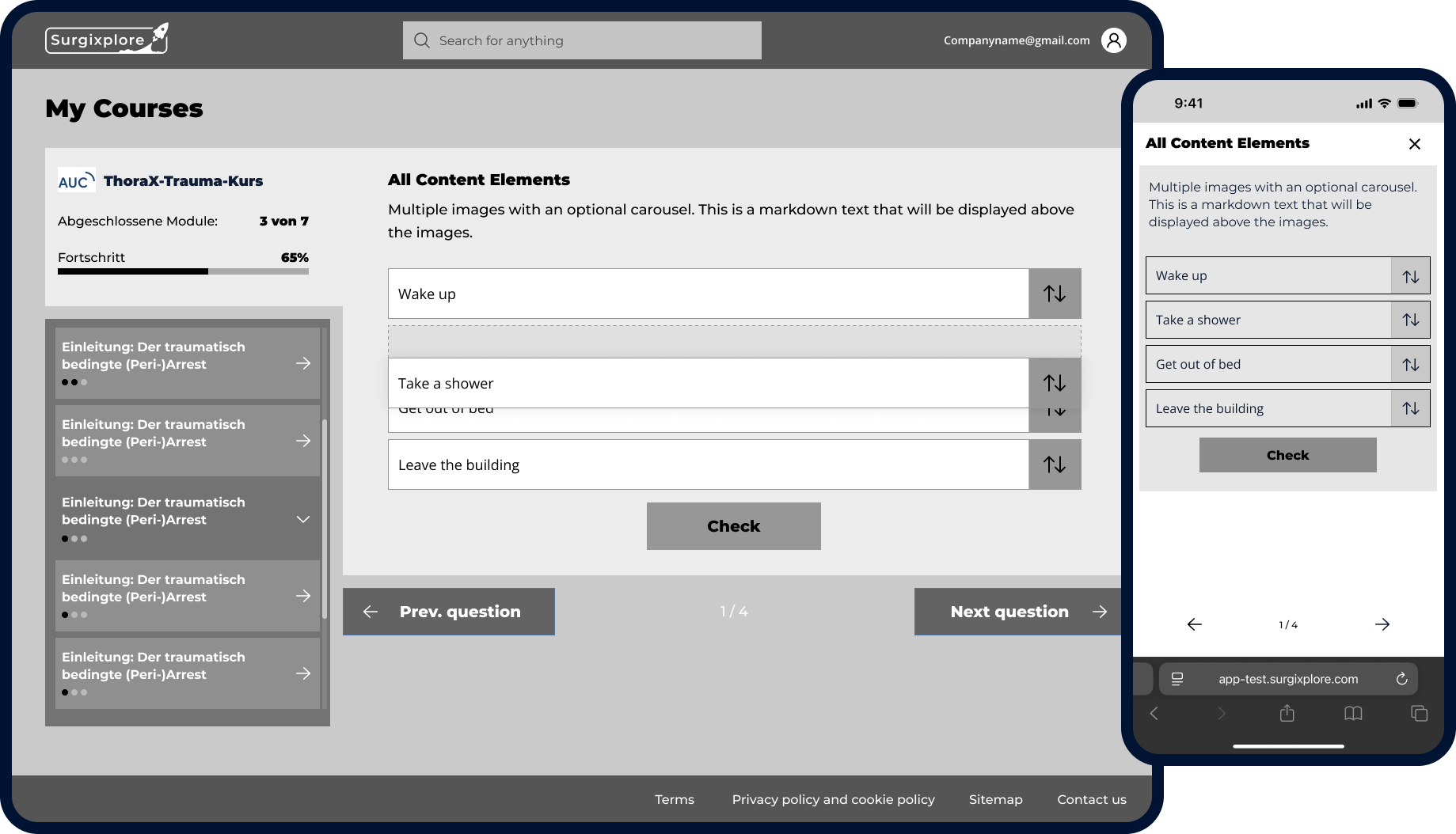
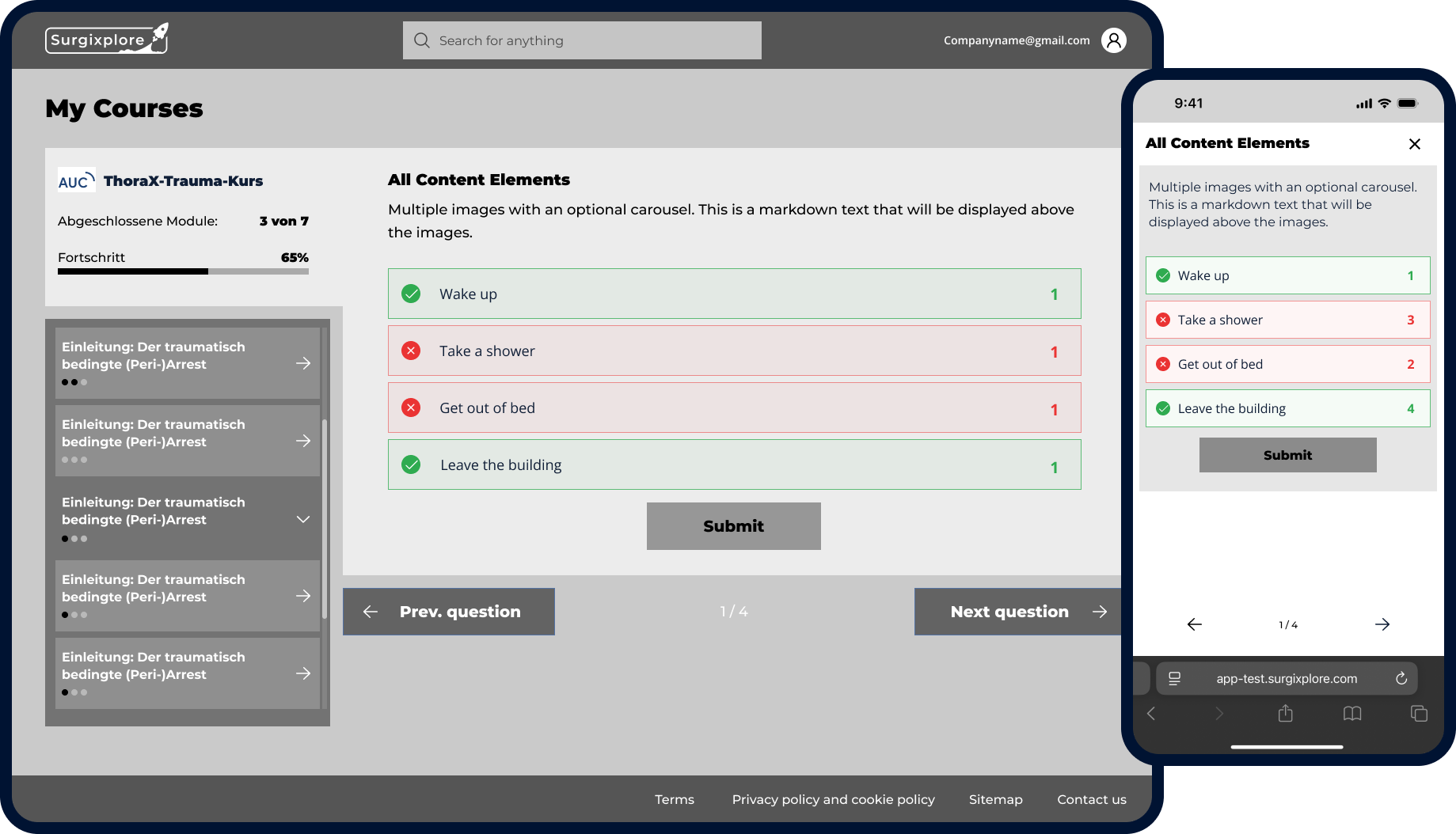
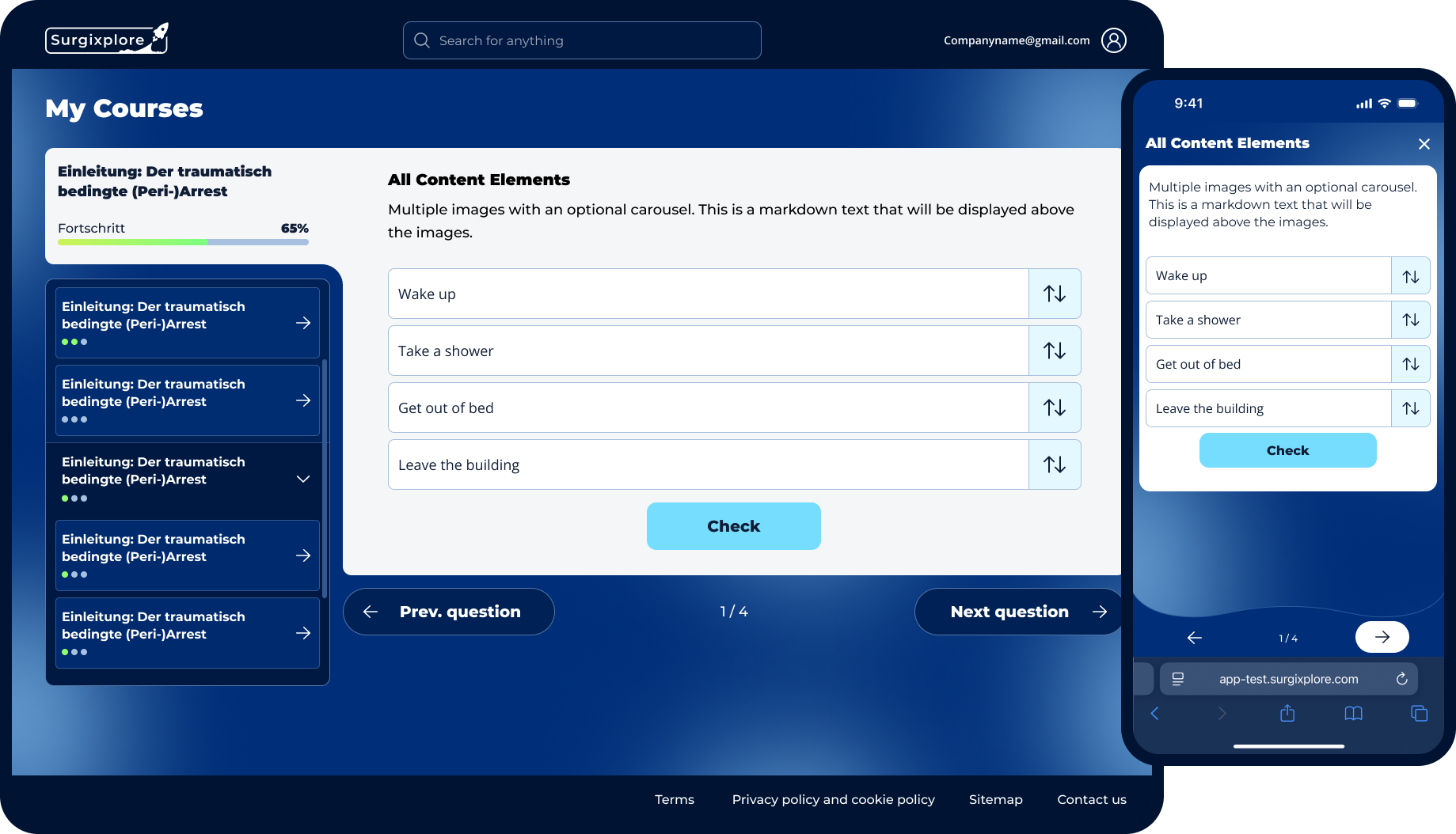
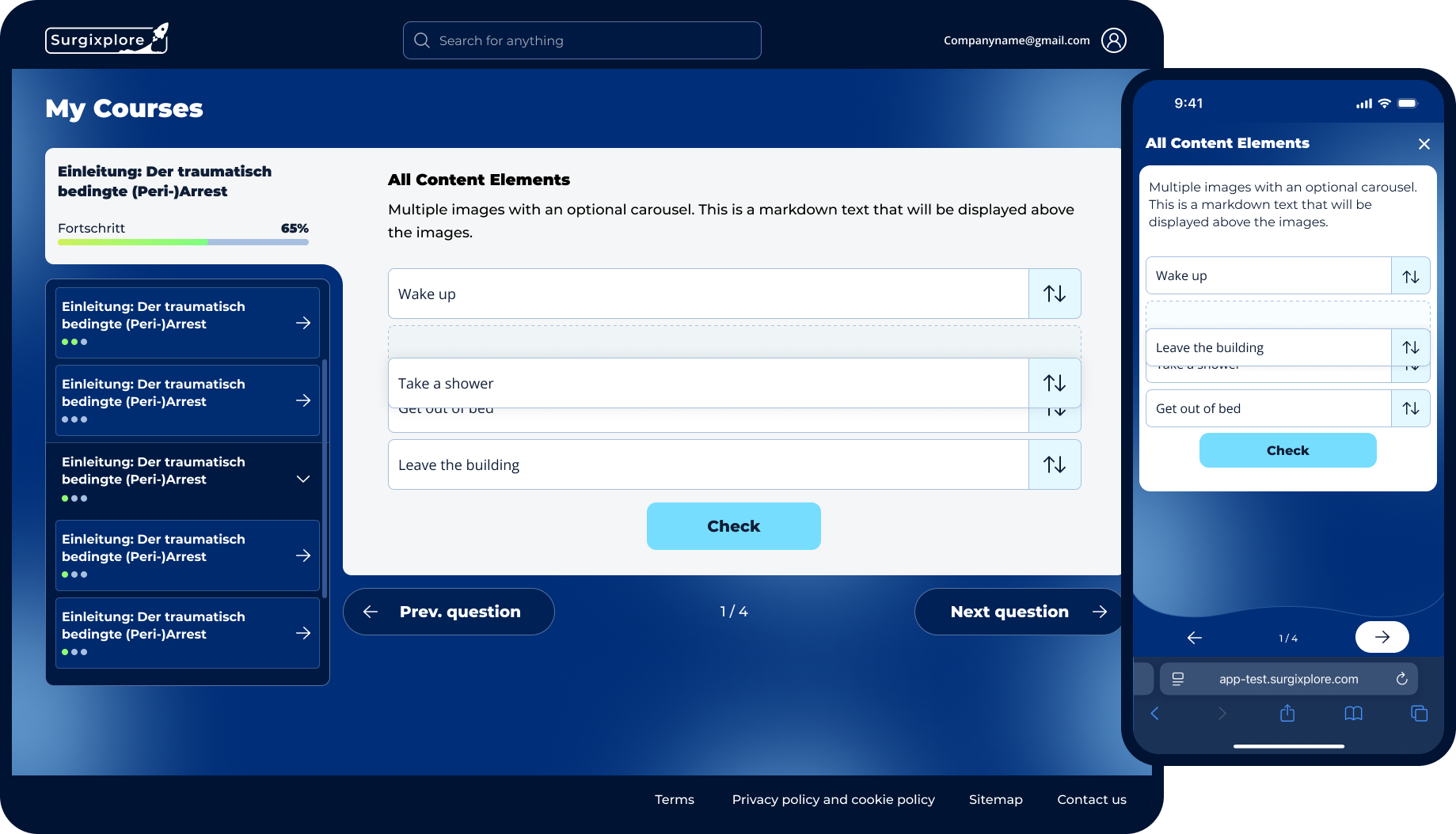
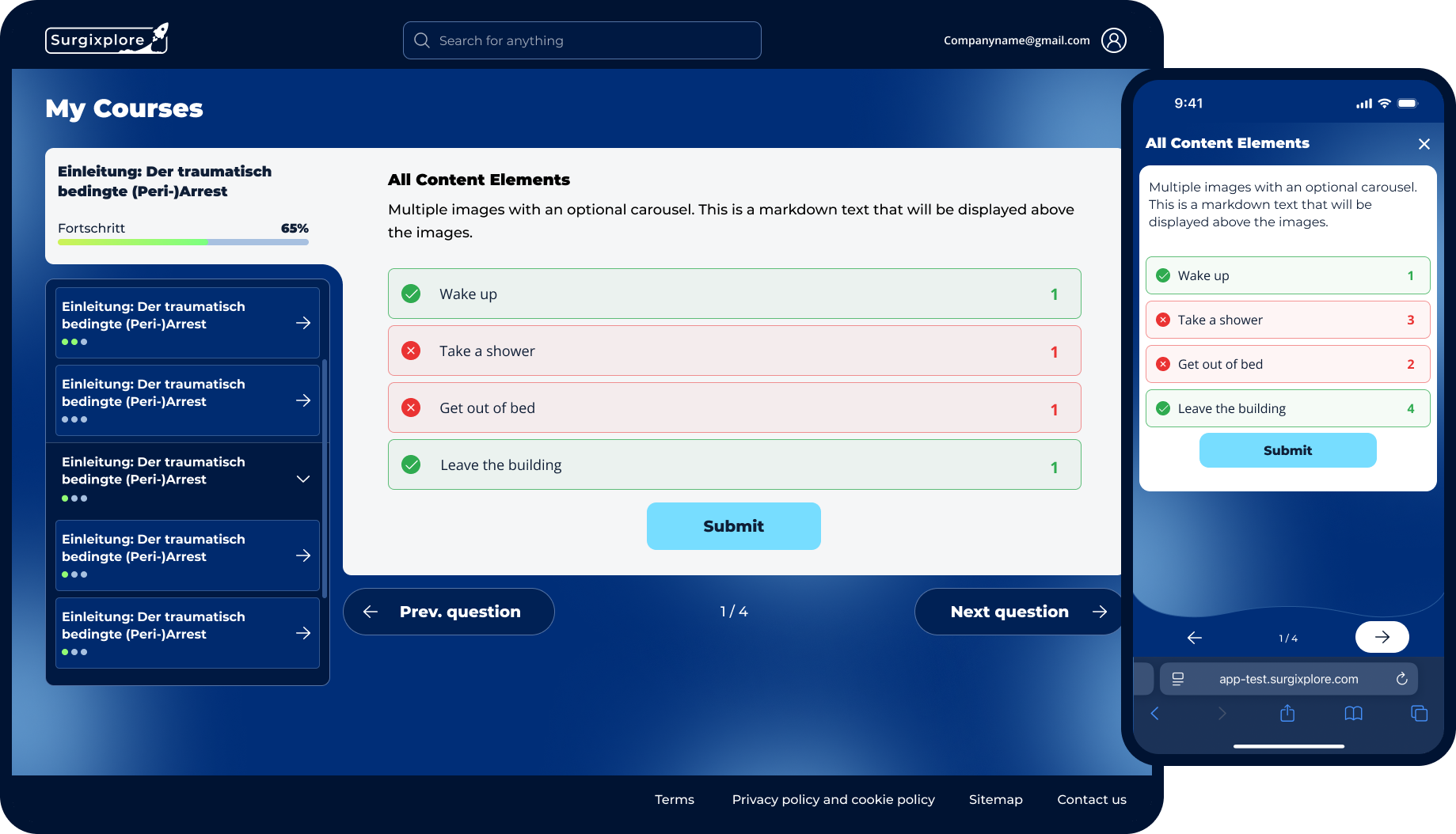
Purpose: Support effective self-assessment through a variety of standardized question formats that reflect real clinical scenarios.
Сorrect sequence of actions.
Multiple choice (select correct answers)
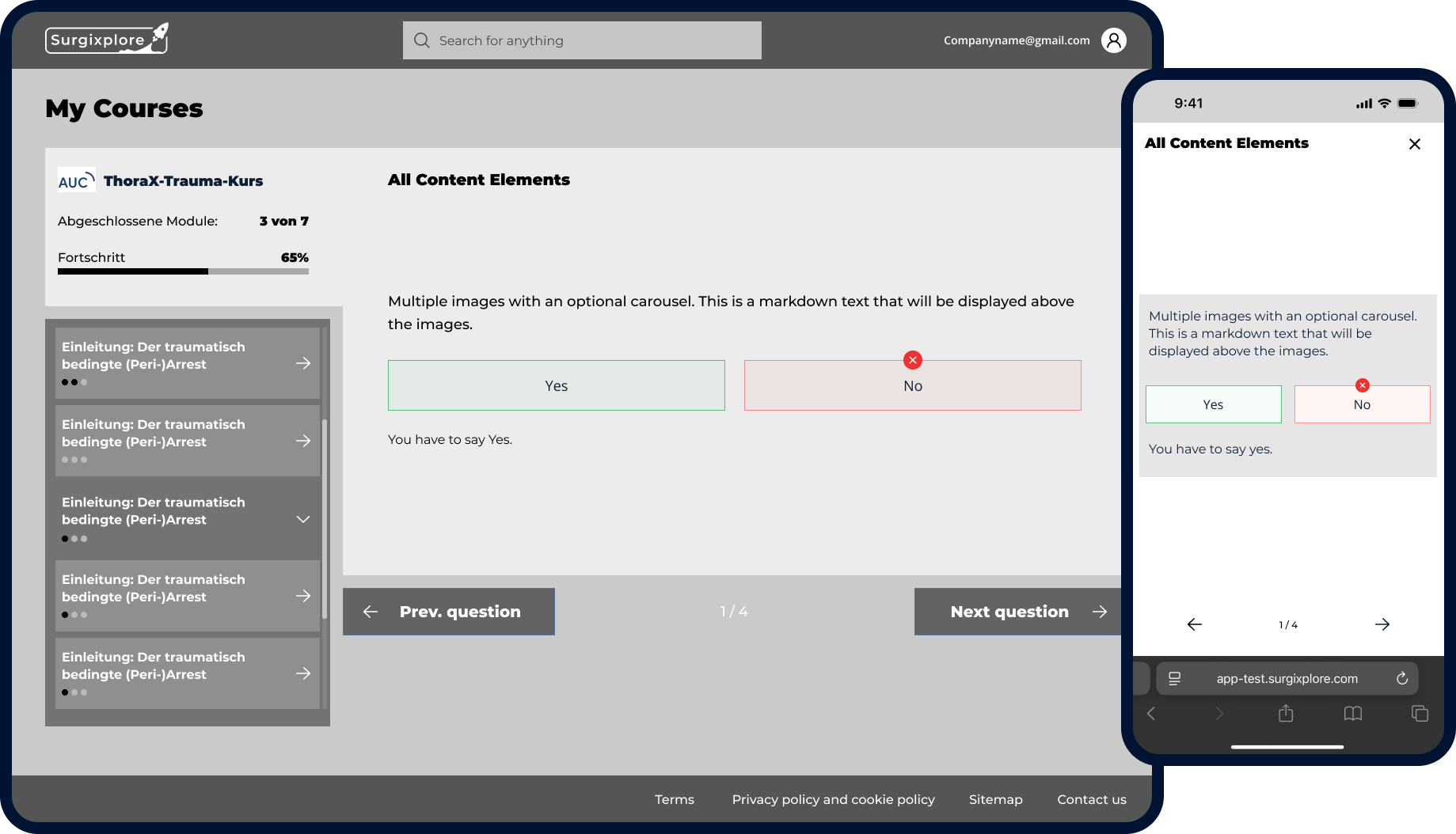
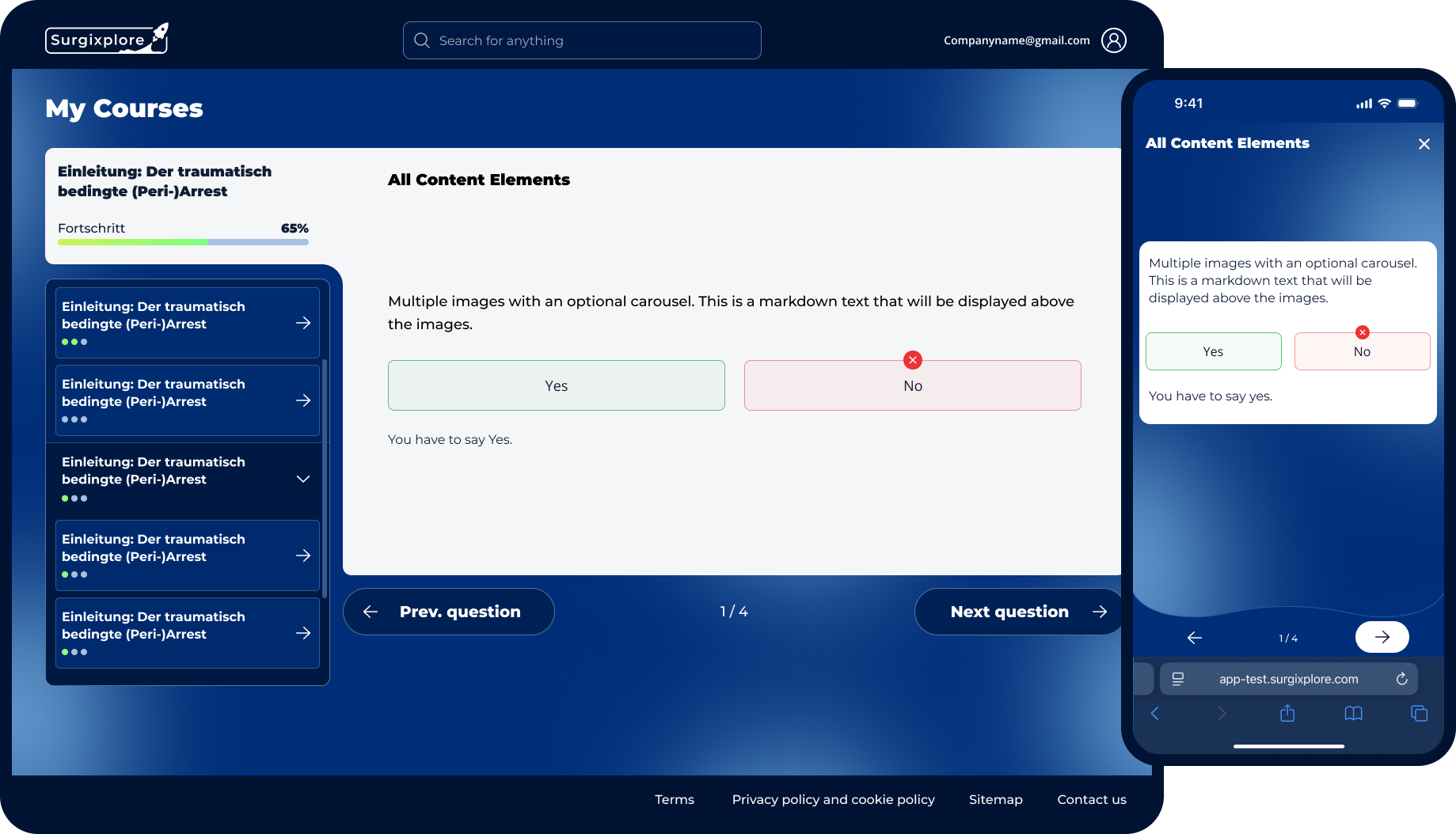
Yes / No questions
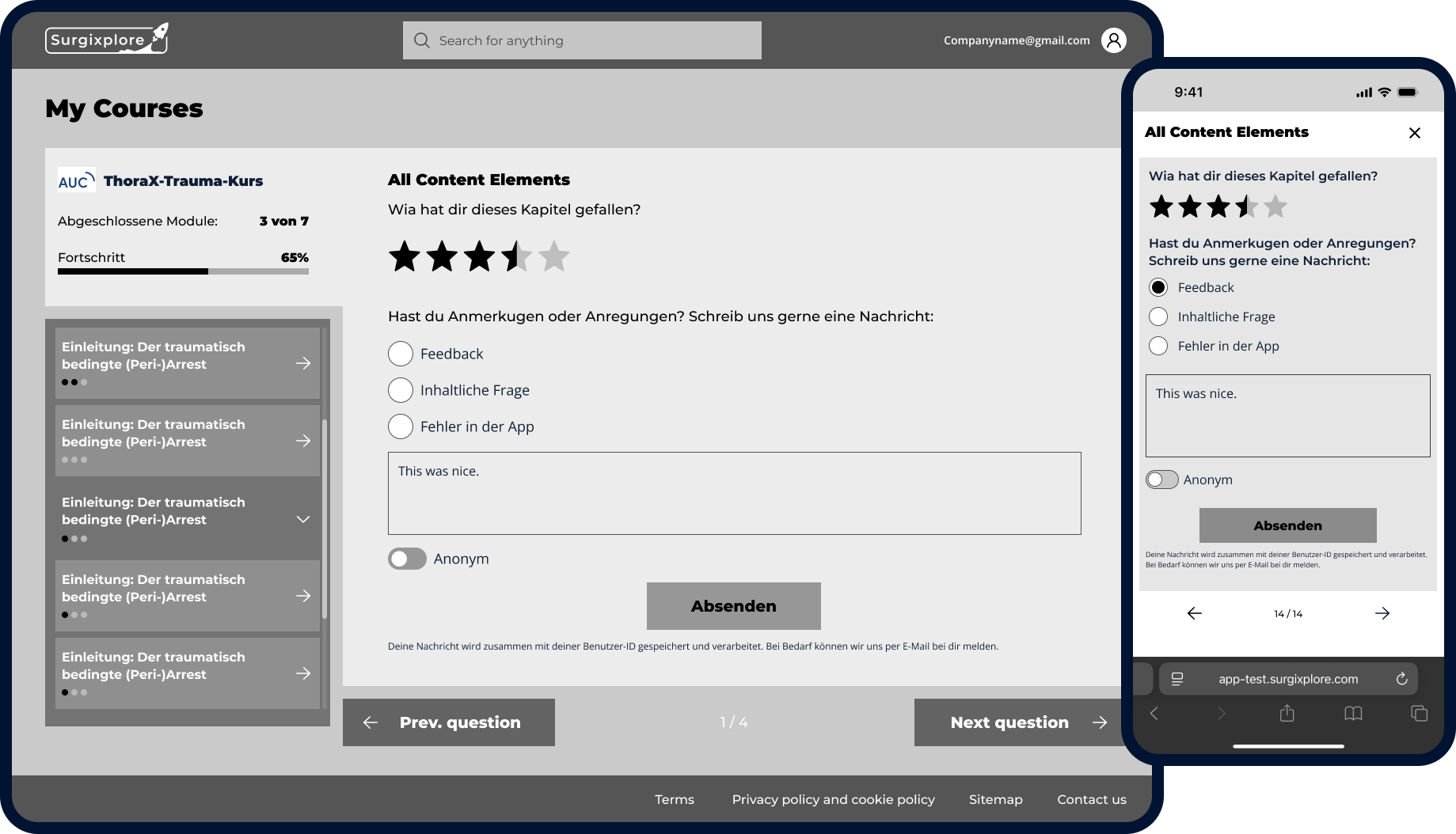
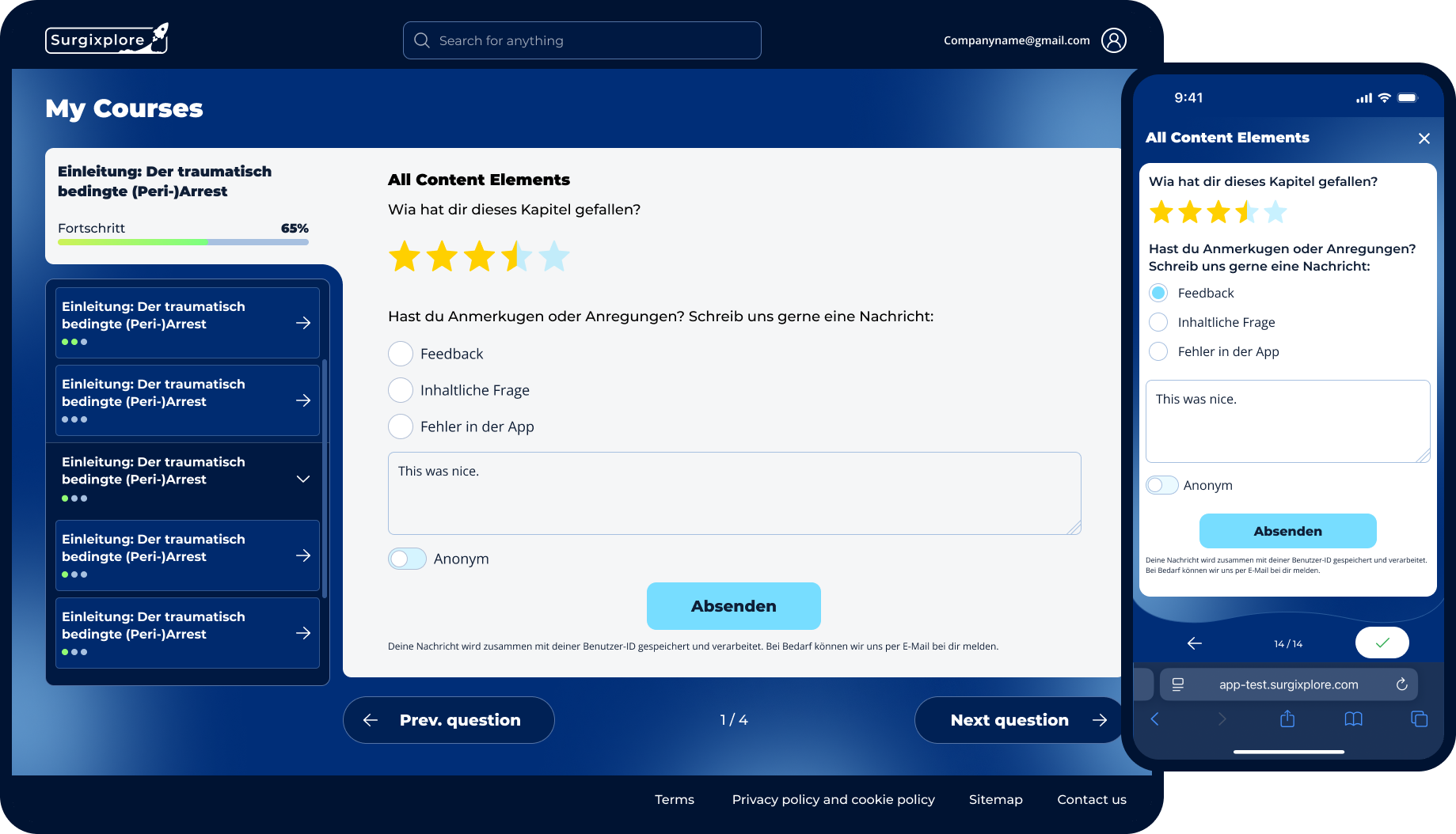
Course Feedback & Rating
Allow users to share feedback and rate the course after completion, helping improve content quality and future learning experiences.

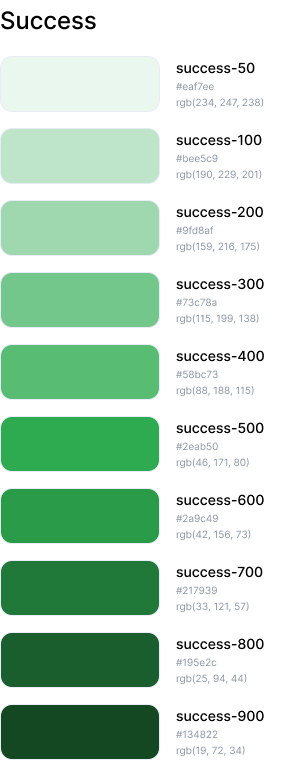
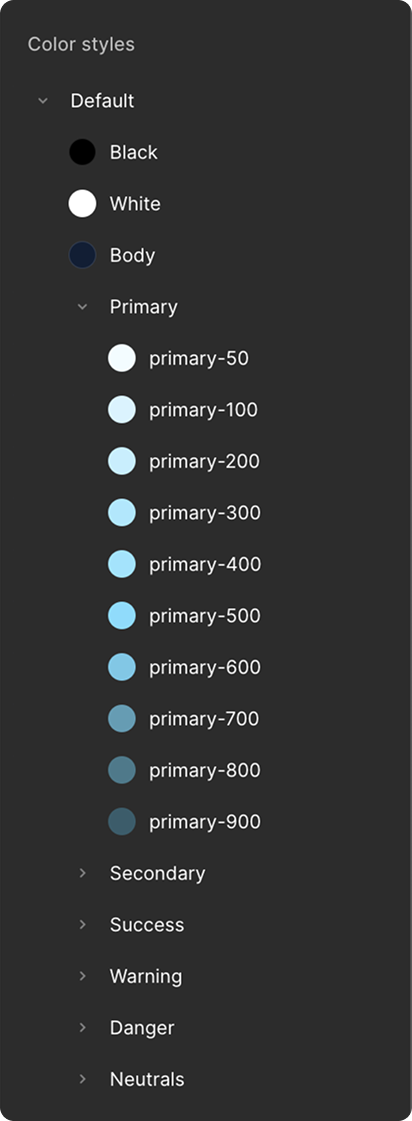
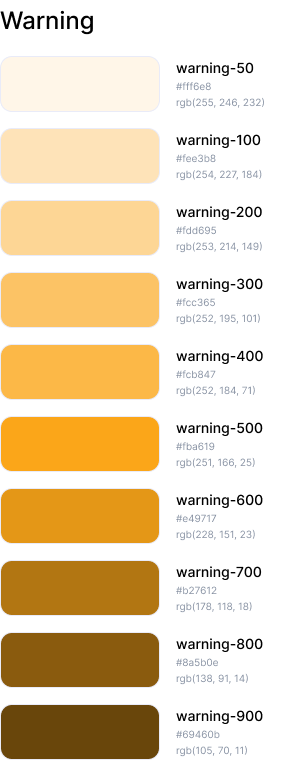
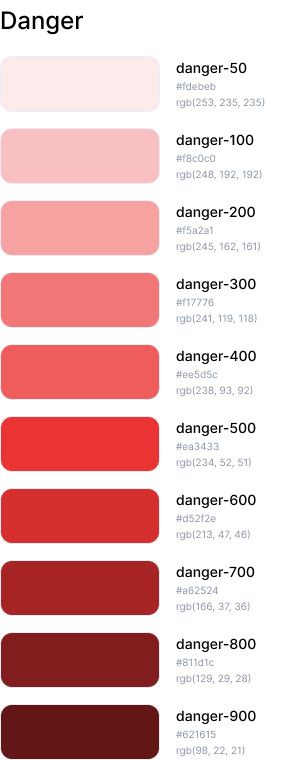
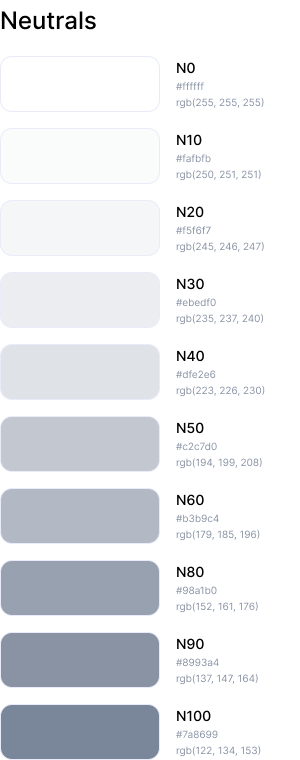
Design System

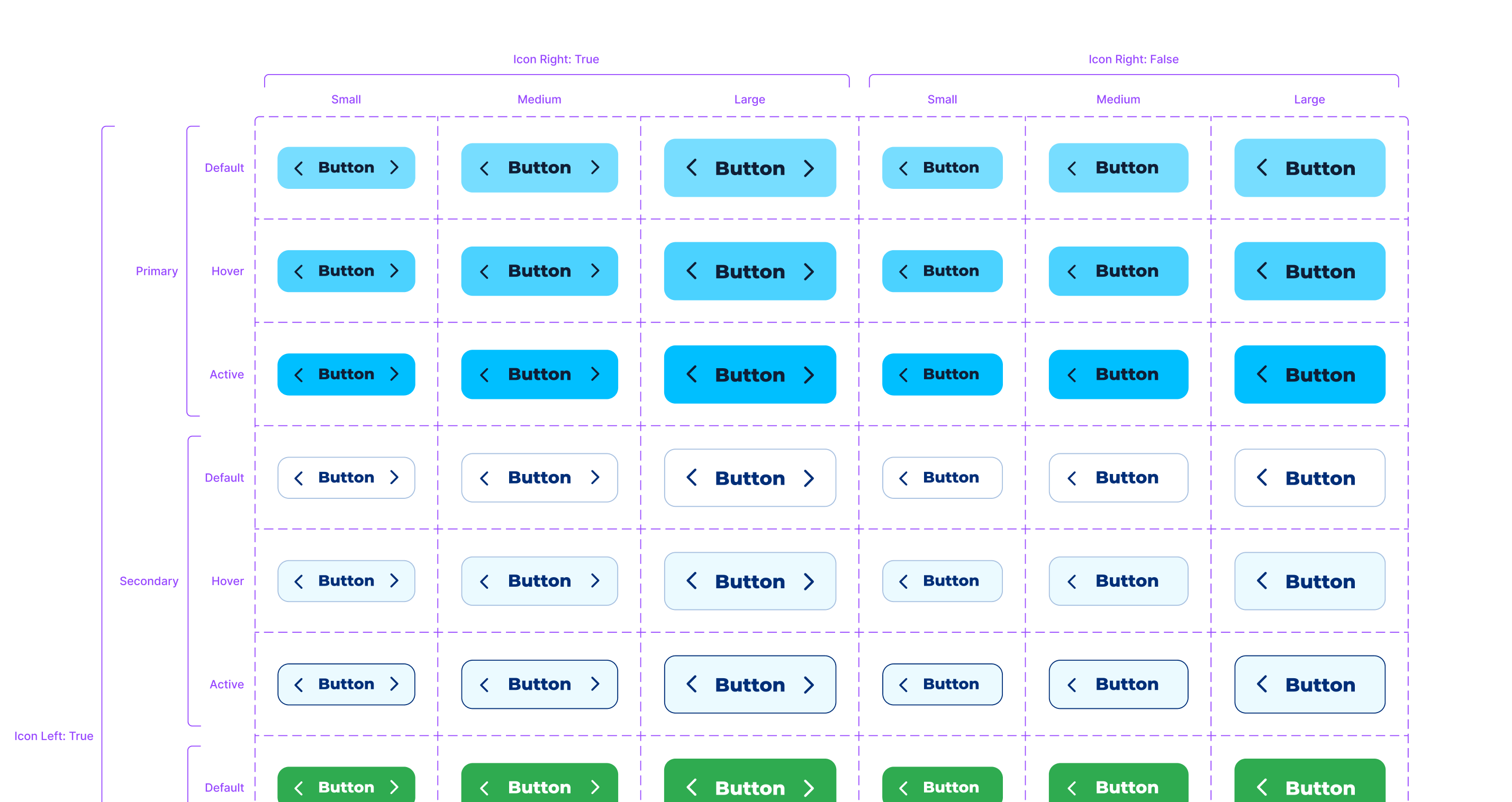
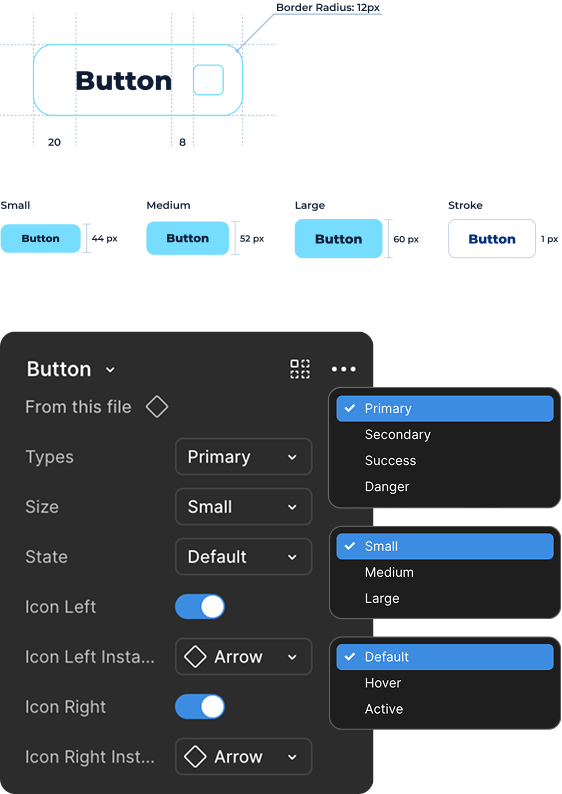
Buttons
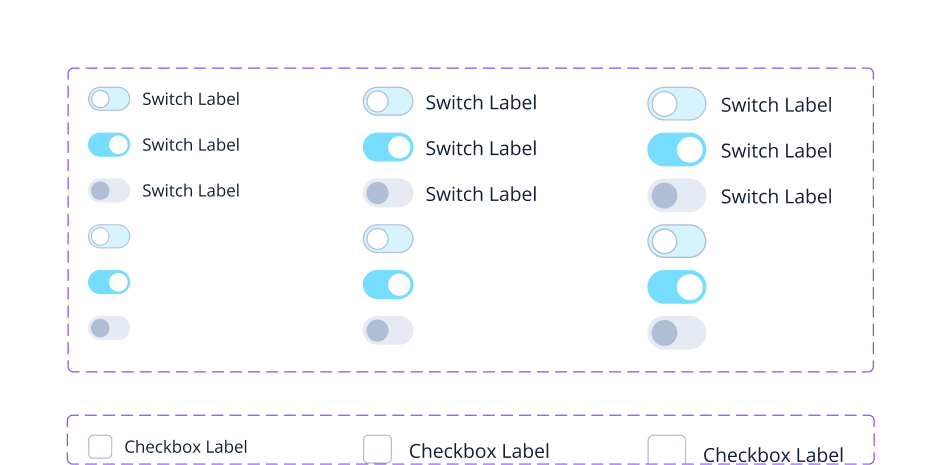
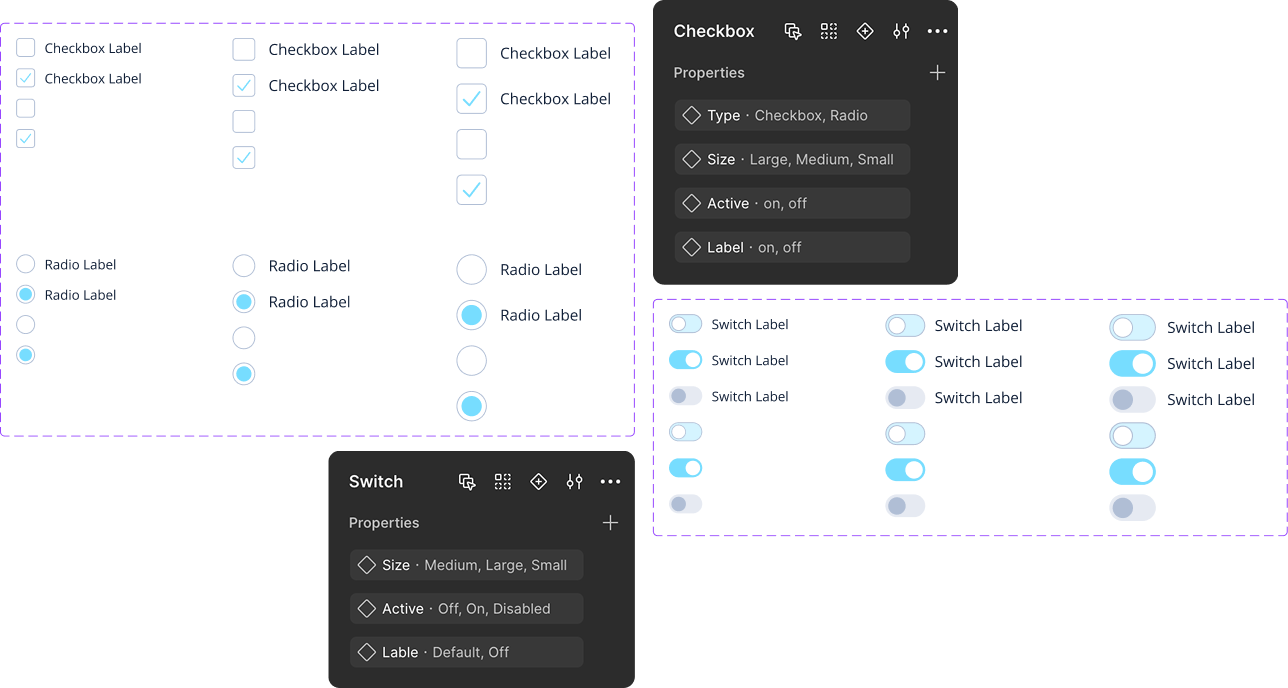
Checkboxes, Radio buttons,
Switches
View more
View more
Typography for Mobile
Headline 2
Headline 3
Lists
Lists
Glossary
Quote
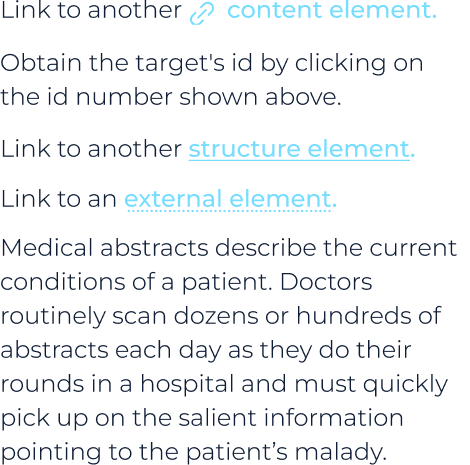
Links

Visual UI Design

Login & Registration
My Courses
Medical Tools
Test Question Types
Сorrect sequence of actions.
Multiple choice (select correct answers)
Yes / No questions
Login & Registration
Thank you
for watching
CONTACT